
How To Install A Countertop Dishwasher Easily at Home
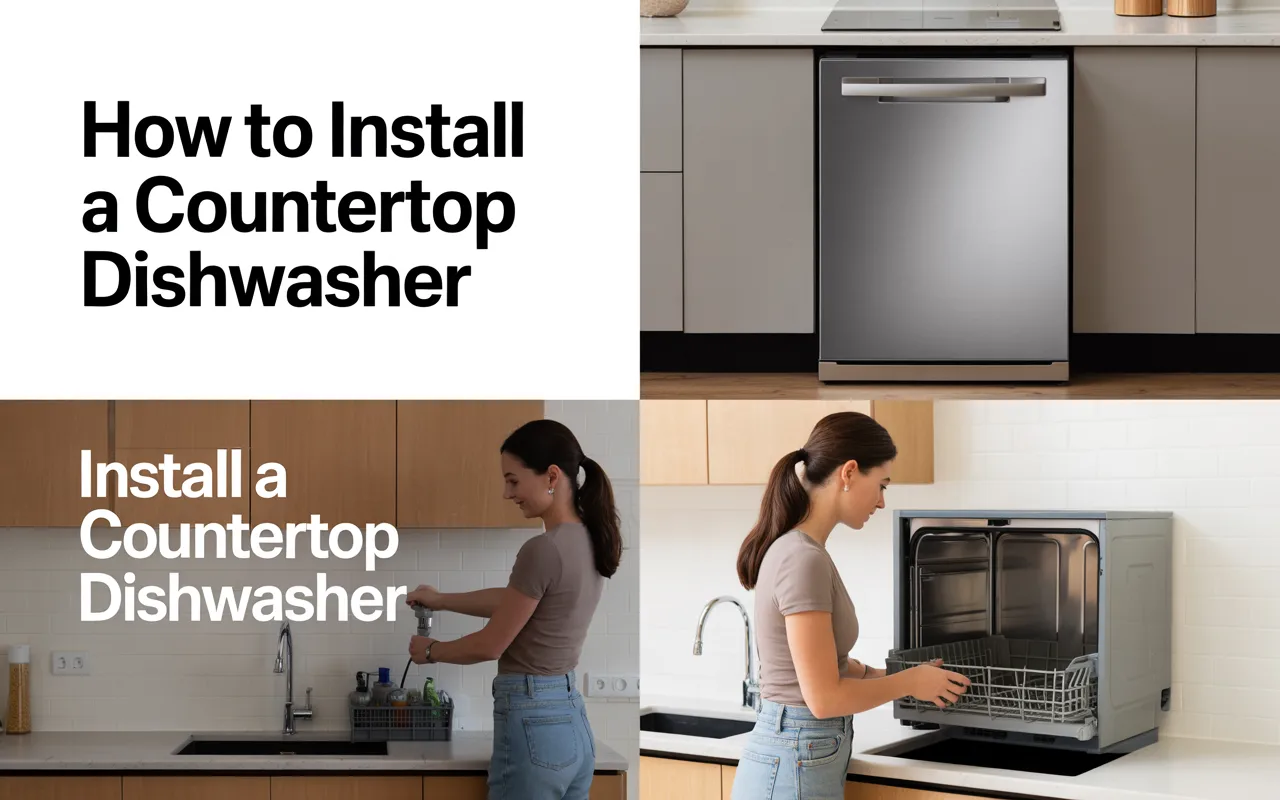
Learn clear steps for How To Install A Countertop Dishwasher at home with simple tools, safe water hookups, drain setup, and testing tips that work for small kitchens.
Installing a countertop dishwasher can change daily kitchen life in a very calm and helpful way. Many people feel nervous before starting, but the truth is simple. This guide is written for real homes, small kitchens, rentals, dorms, and busy households. You do not need special skills or deep tech knowledge. You only need patience, basic tools, and clear steps. This guide shares hands-on experience, clear safety advice, and real tips that help you avoid mistakes.
This article focuses on How To Install A Countertop Dishwasher in a way that feels easy and friendly. You will learn what to check before you begin, how to connect water and drain lines, and how to test the unit with confidence. The language stays plain, the steps stay clear, and the advice stays honest.
“Good home care starts with small choices that save time and stress.”
Sarah Milton, Home Living Writer
What Is a Countertop Dishwasher and Who Needs It
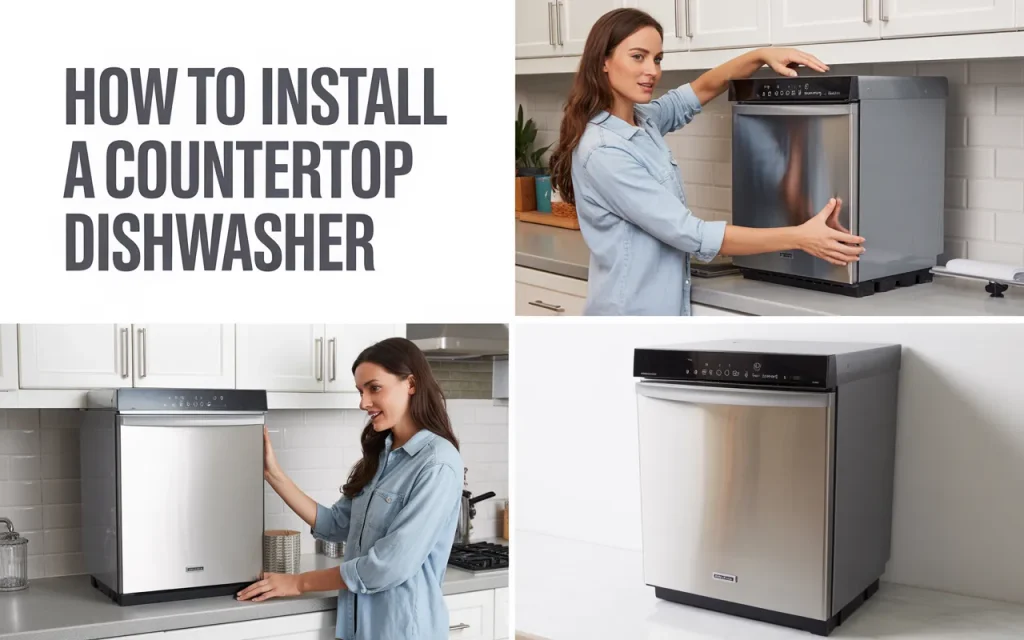
A countertop dishwasher is a small dishwashing unit that sits on your kitchen counter. It connects to a faucet and drains into the sink. It works well for apartments, tiny homes, offices, RVs, and rentals. You do not need to cut cabinets or change pipes.
This type of dishwasher cleans plates, cups, bowls, and light cookware. It uses less water than hand washing. It also uses less power than full size dishwashers.
People who often choose this option include:
- Renters who cannot change plumbing
- Small families or couples
- Students in dorm kitchens
- Seniors who want easy cleanup
- Anyone with limited space
The best part is that learning How To Install A Countertop Dishwasher does not take long if you follow the steps in order.
Things to Check Before Installation
Before you start, take ten minutes to look at your kitchen setup. This step saves time and helps avoid leaks later.
Counter Space and Weight Support
Check if your counter is flat and strong. Most units weigh between 40 and 60 pounds when empty. Make sure the surface can handle that weight without bending.
Measure the space where you plan to place the unit. Leave a small gap at the back for hoses and air flow.
Faucet Compatibility
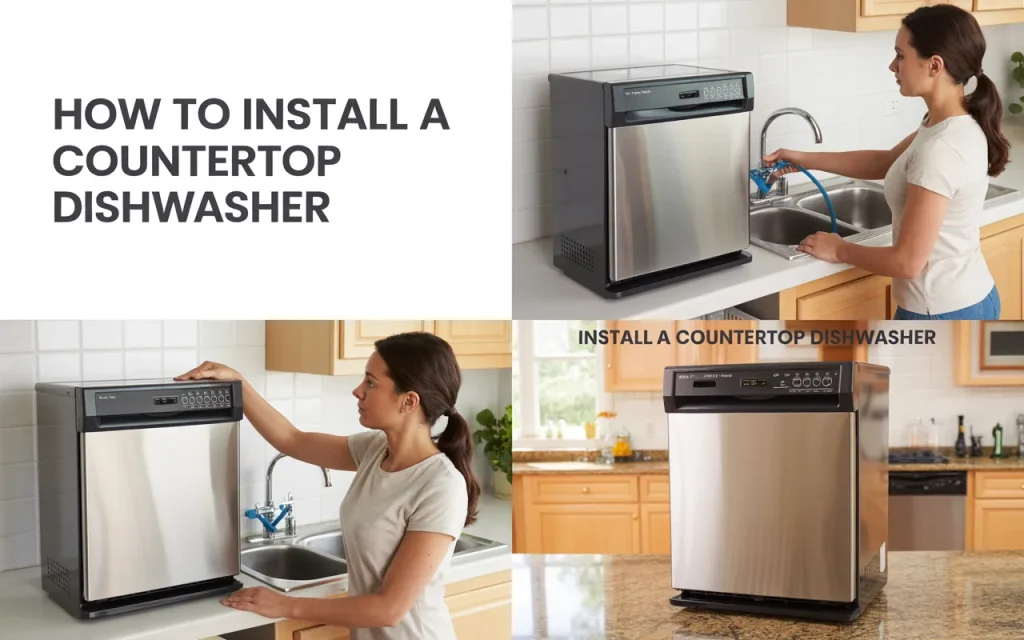
Most countertop dishwashers connect to a standard faucet with a quick adapter. Pull out your faucet aerator and check the thread type.
Some modern faucets with pull down sprayers may need an extra adapter. If your faucet is not standard, look for a universal adapter.
Electrical Outlet
You need a grounded outlet near the sink. Avoid using extension cords. The plug should reach the outlet without strain.
Table: Pre Installation Checklist
| Item to Check | Why It Matters |
|---|---|
| Counter strength | Supports dishwasher weight |
| Faucet thread | Allows secure water hookup |
| Sink depth | Prevents drain splash |
| Power outlet | Safe electrical use |
Tools and Parts You Will Need
Most countertop dishwashers come with needed parts. Still, it helps to gather everything before you begin.
Basic Tools
You usually need:
- Adjustable wrench
- Soft cloth or towel
- Small bowl or cup
- Teflon tape if needed
Included Parts
Most boxes include:
- Faucet adapter
- Inlet hose
- Drain hose
- Hose clamp
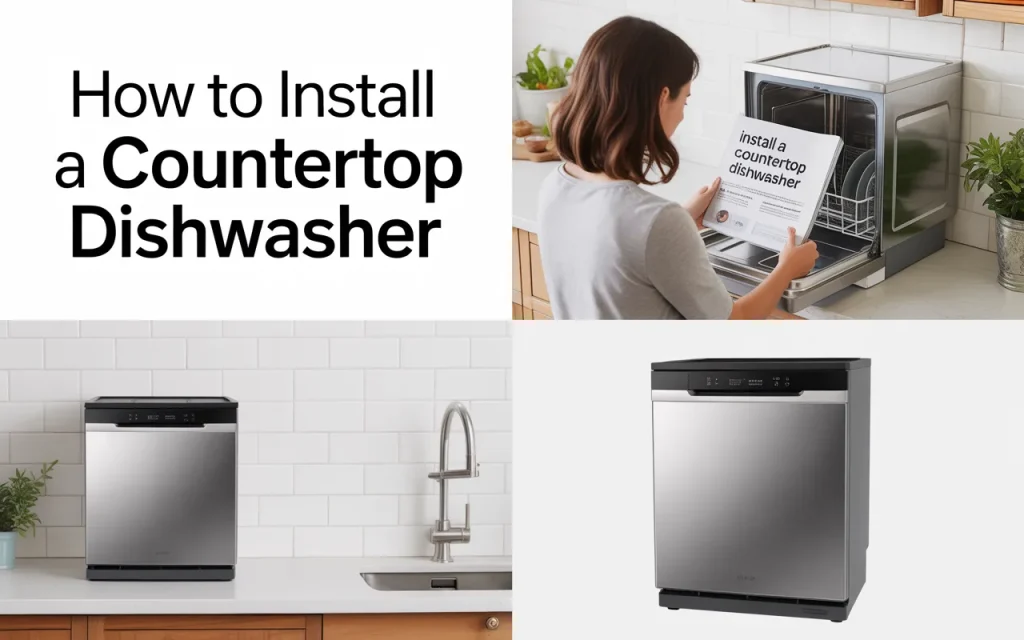
- User manual
Read the manual once before starting. Each brand has small differences.
Step by Step Guide to Install the Dishwasher
This section explains How To Install A Countertop Dishwasher in clear steps. Follow them in order. Do not rush.
Prepare the Sink Area
Clear the sink and counter. Place a towel under the faucet area. This catches any small water drops.
Turn off the faucet. Remove the aerator at the tip of the faucet using your hand or a cloth and wrench.
Attach the Faucet Adapter
Screw the adapter onto the faucet threads. Hand tighten first. Use a wrench only if needed. Do not over tighten.
Make sure the rubber washer sits flat inside the adapter. This prevents leaks.
Connect the Water Inlet Hose
Attach the dishwasher water hose to the adapter. You should hear or feel a click if it uses a quick connect.
Pull gently to confirm it is locked.
Set Up the Drain Hose
Place the drain hose end into the sink. Some units clip onto the sink edge. Make sure it points down.
Keep the hose straight. Avoid sharp bends.
Hose Connection Guide
| Hose Type | Where It Goes |
|---|---|
| Inlet hose | Faucet adapter |
| Drain hose | Sink basin |
| Clamp | Secures drain hose |
Step 5: Plug In the Dishwasher
Plug the unit into the wall outlet. Make sure your hands are dry.
Do not turn the unit on yet.
First Test Run and Safety Check
Testing is an important part of How To Install A Countertop Dishwasher. This step helps you catch leaks early.
HTurn On Water Slowly
Open the faucet slowly. Watch the adapter and hose connection. If you see drops, turn off water and tighten slightly.
Run an Empty Cycle
Choose a short wash cycle. Let it run empty. Watch the drain hose during draining.
Check under the unit for water. Touch the counter surface near the hoses.
Listen and Observe
You should hear smooth water flow. No loud knocks or shaking should happen.
“Listening to your appliances tells you more than you think.”
Mark Jensen, Appliance Repair Trainer

Common Installation Problems and Simple Fixes
Even with care, small issues can happen. Do not panic.
Daily Use Tips After Installation
Once you know How To Install A Countertop Dishwasher, daily use becomes easy.
Loading Dishes Correctly
Place plates facing inward. Do not block spray arms. Avoid overloading.
Detergent Use
Use dishwasher detergent only. Follow the amount listed in the manual.
After Each Wash
Turn off the faucet. Disconnect the hose if your model requires it. Let the door stay open to air dry.
Cleaning and Care for Long Life
Regular care keeps your unit working well.
Weekly Cleaning
Wipe the door seal. Clean the filter if your model has one.
Monthly Check
Check hoses for cracks. Clean spray arms with a toothpick if holes clog.
“Small care steps protect your appliances for years.”
Linda Perez, Home Care Educator
Energy and Water Use Facts
Countertop dishwashers are known for low water use. Most use less than five gallons per cycle. They also use standard household power. This makes them suitable for apartments.
This efficiency is one reason many people search for How To Install A Countertop Dishwasher as a practical home choice.
Safety Tips to Remember
Safety keeps your kitchen calm and stress free.
- Always turn off faucet after use
- Keep electrical cord dry
- Do not place heavy items on top
- Keep children from pulling hoses
Following these tips supports safe use after learning How To Install A Countertop Dishwasher.
Frequently Asked Questions
Can I install it without tools
Most setups need only hand tightening. A wrench helps but is not always required.
Will it fit all sinks
It fits most standard sinks. Very shallow or curved sinks may need extra care.
Can I use hot water
Yes. Many models work best with warm water from the faucet.
Do I need special detergent
Use standard dishwasher detergent. Avoid liquid dish soap.
How long does installation take
Most people finish within 20 to 30 minutes.
Conclusion
Learning How To Install A Countertop Dishwasher is a skill that brings daily comfort. The process is simple when broken into steps. With the right checks, proper hose setup, and careful testing, you can enjoy clean dishes without stress. This guide shared real experience, safety tips, and clear steps to help you succeed. You do not need advanced tools or special skills. You only need patience and attention.A countertop dishwasher supports clean living, saves water, and fits small spaces with ease. If you follow this guide, you can install and use your unit with confidence and peace of mind.
Related posts
 Which kitchen tools are essential for cooking
If you are wondering Which kitchen tools are essential for cooking , the answer includes nonstick pans, silicone utensils, stainless steel bowls, and dishwasher safe cookware…
 How to Choose the Right Vegetable Chopper
If you are wondering How to Choose the Right Vegetable Chopper, this guide explains blade types, size, material, safety features, and cleaning ease so you can…
 Best Portable Dishwasher 2026
Looking for the Best Portable Dishwasher 2026? This detailed guide reviews top models, features, pros and cons, pricing, and expert tips to help you choose the…