
Best Measuring Tools for Home Woodworking Guide
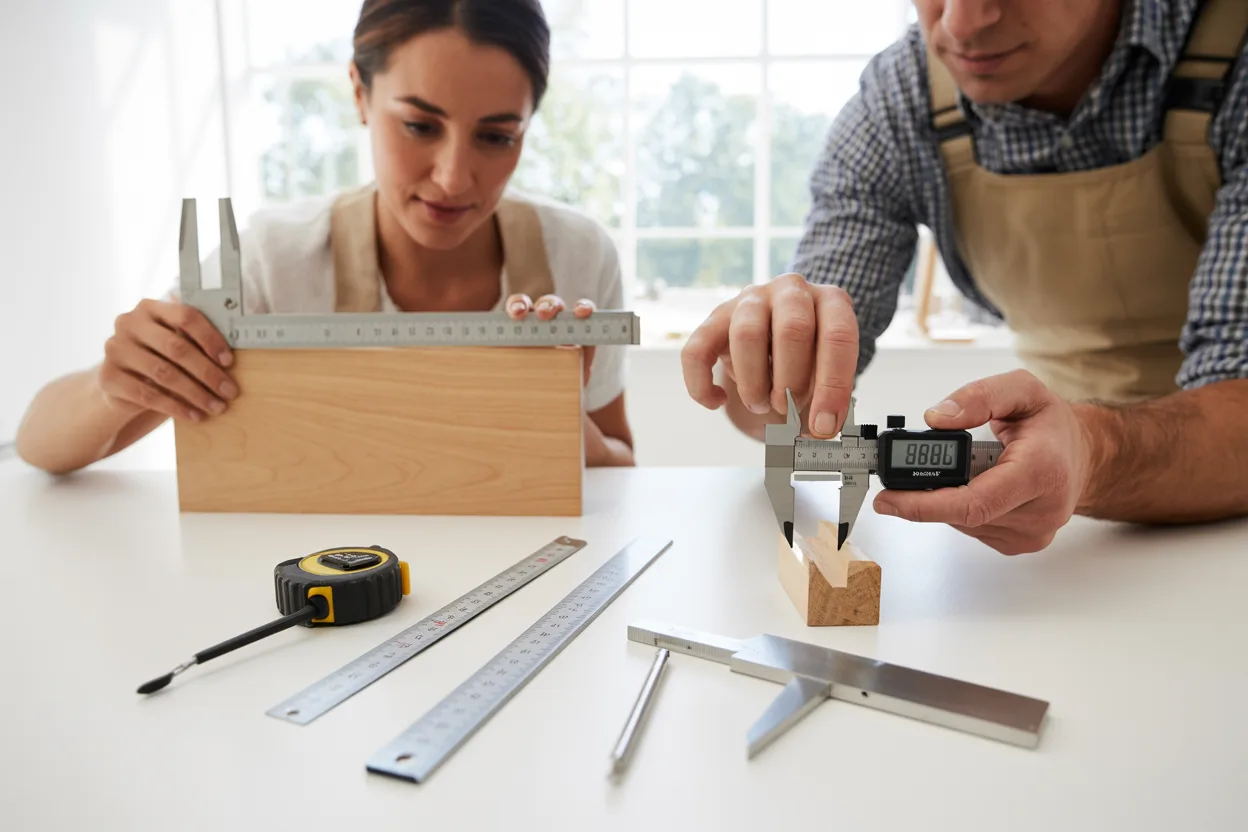
For accurate DIY results, best measuring tools for home woodworking help you cut, mark, and build with confidence, saving time, materials, and effort on every project.
Home woodworking is deeply satisfying. You start with raw wood and end with something useful or beautiful. Still, one small error in measurement can ruin hours of effort. That is why choosing the best measuring tools for home woodworking matters so much. Good tools help you work with calm focus instead of stress. They also help your joints fit well, your cuts stay straight, and your projects last longer. I have spent years working on small furniture projects, shelves, and repair jobs at home. Over time, I learned that measuring tools are not just accessories. They are the base of every clean result. This guide shares clear advice based on hands on use, simple language, and real needs of home woodworkers. You do not need a huge workshop or costly gear. You only need tools that work well and match your skill level.
This article explains the best measuring tools for home woodworking in detail. It also shows how to choose them, how to use them well, and how to care for them. The goal is to help you feel confident before you pick up your saw or plane.
“Good woodworking starts long before the first cut. It starts with clear marks and honest measurements.”
Chris Hall, Woodworking Instructor
Why Accurate Measuring Matters in Home Woodworking
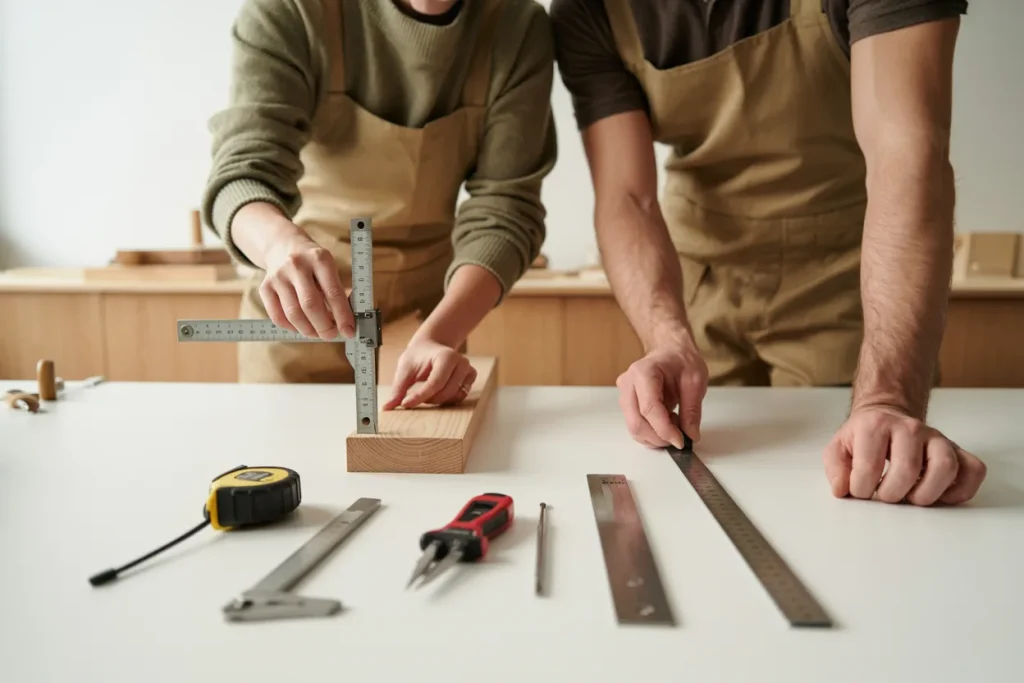
Wood does not forgive guesswork. Even a small gap can weaken a joint or spoil the look of a piece. Accurate measuring keeps your work neat and strong. It also saves wood, which saves money. When measurements are right, parts fit without force. You spend less time fixing mistakes and more time enjoying the build. This is true for beginners and experienced hobbyists alike. Accuracy also helps with safety. Poor fitting parts can slip or crack during assembly.
The best measuring tools for home woodworking help reduce errors at every stage. From marking rough cuts to checking final assembly, they guide your hands. They also build trust in your process. When you trust your tools, you work with less tension and better focus.
Core Measuring Tools Every Home Woodworker Needs
Tape Measure
A tape measure is often the first tool people buy. It is used for rough sizing, layout work, and checking overall dimensions. For woodworking, look for a tape with clear markings, a strong lock, and a smooth return.
Choose a tape that shows both inches and millimeters if possible. This helps when following different plans. A blade width of at least 19 mm stays straighter when extended.
Below is a quick table to guide your choice.
| Feature | Why It Matters |
|---|---|
| Clear markings | Reduces eye strain and mistakes |
| Strong lock | Keeps length fixed while marking |
| Stiff blade | Prevents sag on long spans |
The tape measure is simple, yet it remains one of the best measuring tools for home woodworking due to its range and speed.
Steel Ruler
A steel ruler offers more precision than a tape. It is flat, rigid, and ideal for marking straight lines on small parts. Many woodworkers keep one in their apron pocket. Look for a ruler with etched markings instead of printed ones. Etched lines last longer and stay readable. A length of 300 mm or 12 inches suits most tasks. Steel rulers are also useful as straight edges for light marking. They help guide knives and pencils with steady control.
Combination Square
A combination square checks right angles and marks parallel lines. It includes a ruler and a sliding head set at 90 degrees. Many models also include a 45 degree face. This tool shines during joinery and layout work. It helps ensure boards meet square and edges align well. A good combination square holds its setting firmly without wobble.
Below is a simple table showing common uses.
| Task | How It Helps |
|---|---|
| Checking square | Confirms clean right angles |
| Marking lines | Keeps layout consistent |
| Depth check | Measures groove depth |
Many builders list the combination square among the best measuring tools for home woodworking because of its many uses in one tool.
Precision Measuring Tools for Fine Work
Digital Caliper
A digital caliper measures thickness, inside gaps, and small lengths with high accuracy. It is helpful for fitting joints, checking dowel size, or matching hardware.
Choose a caliper with a clear display and smooth sliding action. Even budget models offer good accuracy for home use. Always zero it before measuring.
Calipers bring confidence during fine work. They remove doubt when exact size matters.
“A caliper tells the truth without opinion. It shows you what the wood really says.”
Alan Perez, Cabinet Maker
Marking Gauge
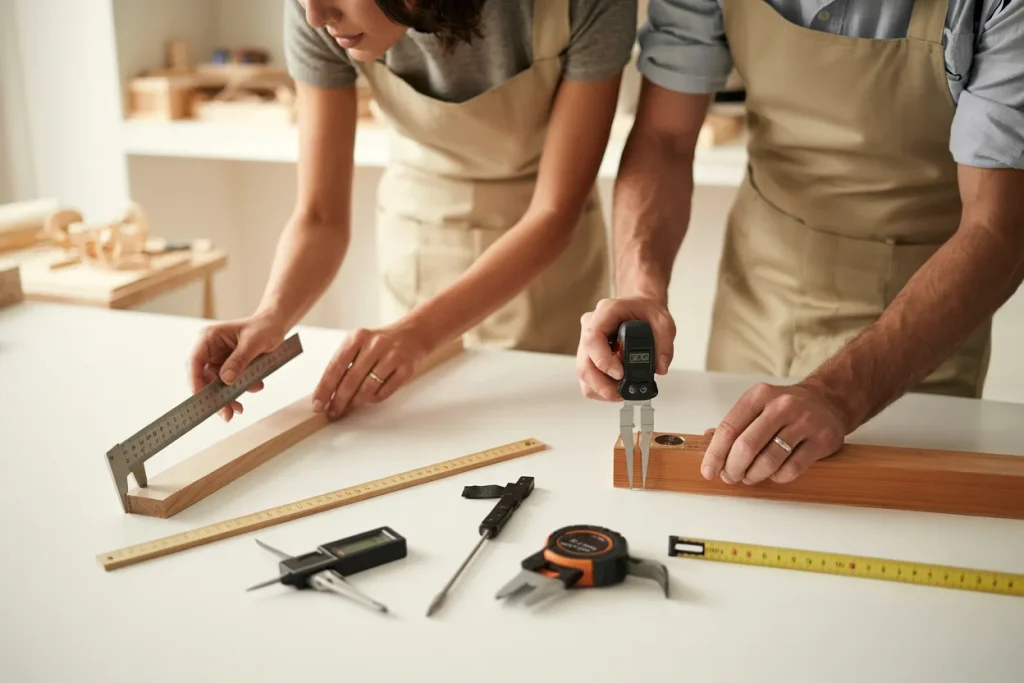
A marking gauge scores lines parallel to an edge. Unlike a pencil, it cuts a fine groove that guides saws and chisels. This improves accuracy and reduces tear out. There are wheel style and pin style gauges. Wheel types offer cleaner lines and easier adjustment. Set the gauge once and mark all matching parts before cutting. This tool supports repeatable results. That is why many craftspeople include it in their list of the best measuring tools for home woodworking.
Bevel Gauge
A bevel gauge copies and transfers angles. It does not measure degrees directly. Instead, it locks to an angle you need and lets you mark it elsewhere. This tool is useful for frames, trim, and furniture with sloped parts. It saves time compared to guessing angles or using charts. Pair a bevel gauge with a protractor if you need exact angle values.
Measuring and Marking Tools for Layout Work
Carpenter Pencil
A carpenter pencil has a flat shape that stops it from rolling. Its thick lead leaves visible marks on rough wood. Sharpen it often for clean lines. Some woodworkers prefer mechanical pencils for fine work. Both have a place in the shop. The key is using a pencil that feels comfortable and stays sharp.
Marking Knife
A marking knife makes thin, exact lines. These lines guide saws better than pencil marks. They also help chisels start clean cuts. Choose a knife with a sharp edge and a comfortable grip. Many woodworkers make their own from old blades. Using a knife may feel slow at first, but it improves precision with practice.
Straight Edge
A straight edge helps draw long lines and check flatness. It can be a metal rule or a dedicated tool. Accuracy depends on the edge being truly straight. Check your straight edge by flipping it against a known flat surface. If both sides match, it is straight. This tool supports layout work and quality control in many builds.
Digital and Modern Measuring Aids
Laser Measure
A laser measure reads distance quickly. It is useful for room layout, cabinet planning, and large furniture builds. It saves time when measuring long spans alone. Look for a model with clear display and simple controls. Accuracy within a few millimeters suits most home needs. Laser tools are not a replacement for all manual tools. Still, they earn a place among the best measuring tools for home woodworking for larger tasks.
Angle Finder
A digital angle finder measures angles directly. It shows degree values on a screen. This is helpful for stairs, frames, and complex joints. Choose one with a magnetic base for hands free use. Calibrate it often for accurate readings.
How to Choose the Right Measuring Tools
Choosing tools depends on your projects, space, and budget. Start with basics and add precision tools as needed. Do not buy everything at once. Think about what you build most. Shelves and boxes need square checks and straight lines. Furniture needs fine layout and thickness checks. Quality matters more than quantity. A few reliable tools beat many poor ones. The best measuring tools for home woodworking feel solid, stay accurate, and fit your hands.
How to Maintain Measuring Tools for Accuracy
Tools stay accurate only with care. Keep them clean and dry. Wipe metal parts after use to prevent rust. Store rulers and squares flat. Avoid dropping them, as this can bend edges. Check accuracy often by comparing with known references. Calibrate digital tools as needed. Replace batteries before they run low. Good care keeps your tools trustworthy for years.
Common Measuring Mistakes to Avoid
Many errors come from rushing. Measure twice and mark once. Read scales carefully and avoid parallax by looking straight on. Use the same reference edge for all measurements. Switching edges causes mismatch. Also, avoid using damaged tools. Mark clearly and cut on the correct side of the line. These habits support clean results.
Best Measuring Tools for Home Woodworking on a Budget
You do not need costly gear to work well. Many budget tools perform fine if chosen carefully.
Focus on these items first:
| Tool | Budget Tip |
|---|---|
| Tape measure | Buy mid range with clear scale |
| Combination square | Check for firm lock |
| Steel ruler | Choose etched markings |
Add digital tools later if needed. Skill matters more than price.
Real World Experience from Home Woodworkers
Many home builders share similar lessons. They start with simple tools, then add precision tools after facing errors.
I remember my first cabinet build. I relied only on a tape and pencil. Gaps showed everywhere. After adding a square and marking gauge, my next project fit cleanly. The change was clear.
“Accuracy brings calm. Once I trusted my measurements, woodworking felt joyful instead of tense.”
Sarah Bennett, DIY Furniture Builder
Frequently Asked Questions
What are the best measuring tools for home woodworking beginners?
Beginners should start with a tape measure, combination square, steel ruler, and carpenter pencil. These cover most tasks and are easy to learn.
How many measuring tools do I really need?
You can do many projects with five or six tools. Add more as your projects grow in detail.
Are digital tools better than manual ones?
Digital tools offer speed and clarity, but manual tools teach skill and feel. A mix works best.
How often should I check tool accuracy?
Check squares and rulers every few months or after any drop. Digital tools need calibration when readings seem off.
Can cheap measuring tools be accurate?
Yes, if chosen carefully and checked often. Price alone does not decide accuracy.
Conclusion
Woodworking at home is about patience, skill, and trust in your process. Measuring tools shape that trust. The best measuring tools for home woodworking support your hands and eyes at every step. They reduce waste, save time, and improve results.
Start simple, choose wisely, and care for your tools. As your skills grow, your tool set can grow too. Accuracy is not about perfection. It is about respect for the craft and the material.
Related posts
 Which kitchen tools are essential for cooking
If you are wondering Which kitchen tools are essential for cooking , the answer includes nonstick pans, silicone utensils, stainless steel bowls, and dishwasher safe cookware…
 How to Choose the Right Vegetable Chopper
If you are wondering How to Choose the Right Vegetable Chopper, this guide explains blade types, size, material, safety features, and cleaning ease so you can…
 Best Portable Dishwasher 2026
Looking for the Best Portable Dishwasher 2026? This detailed guide reviews top models, features, pros and cons, pricing, and expert tips to help you choose the…