
Essential DIY Home Improvement Tools for Every Homeowner
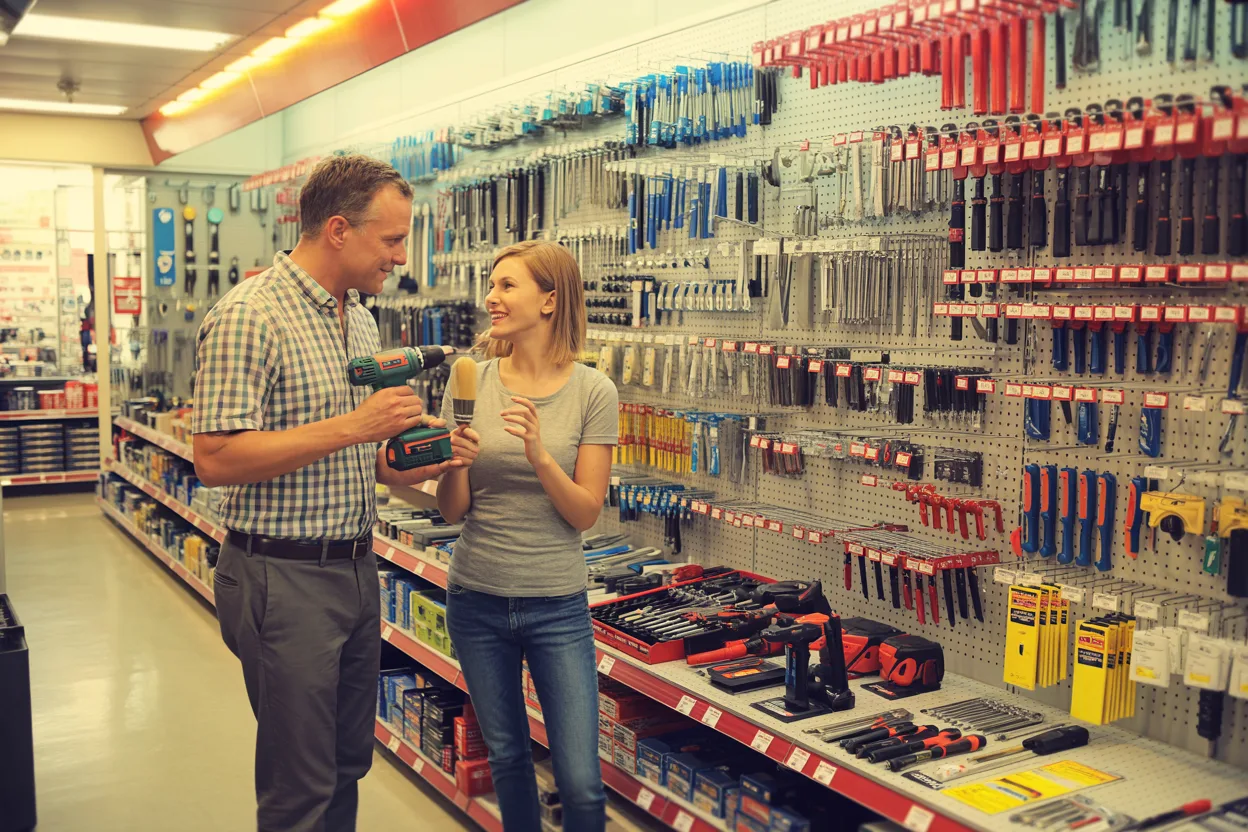
DIY home improvement tools are essential for homeowners who want to upgrade their spaces efficiently and affordably. Learn which tools you need.
Improving your home doesn’t have to be expensive or complicated. With the right DIY home improvement tools, you can tackle small repairs, upgrades, and renovations with confidence. Whether you are a beginner or someone who enjoys weekend projects, having a well-equipped toolkit makes all the difference. DIY home improvement tools make your life easier by helping you save money, complete tasks faster, and enjoy the satisfaction of creating something with your own hands. This article will guide you through the most practical tools, their uses, and how to choose the right ones for your home.
Why DIY Home Improvement Tools Are Important
Having a set of essential DIY home improvement tools allows you to fix common household problems without calling a professional. From repairing leaky faucets to assembling furniture, these tools make maintenance straightforward.
As Bob Vila, a home improvement expert, once said:
“The right tools make the simplest project feel effortless.”
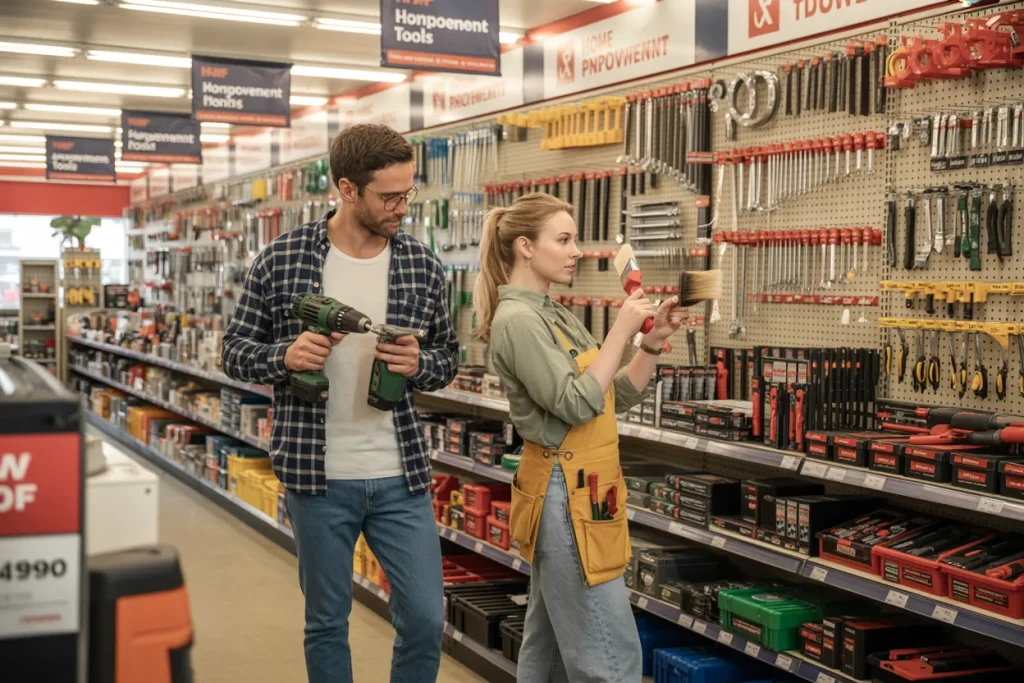
With a few essential tools, you can handle projects ranging from minor fixes to more complex upgrades.
Must-Have DIY Home Improvement Tools
Hand Tools
Hand tools are the foundation of any DIY project. They are versatile, affordable, and easy to use. Some must-have hand tools include:
- Hammer: Perfect for driving nails, removing them, and light demolition.
- Screwdrivers: Both flathead and Phillips for assembling furniture and fixing appliances.
- Pliers: For gripping, twisting, and cutting wires.
- Tape Measure: Essential for accurate measurements before cutting or assembling materials.
Table 1: Basic Hand Tools and Their Uses
| Tool | Primary Use |
|---|---|
| Hammer | Driving and removing nails |
| Screwdrivers | Tightening or loosening screws |
| Pliers | Gripping, bending, and cutting |
| Tape Measure | Measuring surfaces and materials |
Power Tools
Power tools are a step up and make larger tasks faster and less tiring. Even if you are a beginner, some power tools are safe and easy to use.
- Drill: Great for drilling holes and driving screws quickly.
- Circular Saw: Useful for cutting wood and boards accurately.
- Sander: Smooths surfaces and prepares wood or walls for painting.
- Jigsaw: Ideal for cutting curves and irregular shapes.
Power tools can save you hours of work and increase precision. Start with one or two basic power tools and expand as you gain confidence.
Specialty Tools for Home Improvement Projects
Some projects require more specialized tools. While not everyone will need these, they can make specific jobs easier:
- Stud Finder: Ensures you hit wall studs for hanging heavy items.
- Level: Keeps shelves, frames, and furniture perfectly straight.
- Caulking Gun: Helps seal gaps around windows, doors, and tiles.
- Pipe Wrench: Essential for plumbing projects and tightening pipes.
Having these tools on hand will prevent mistakes and save time, especially on more complicated tasks.
Organizing Your DIY Home Improvement Tools
Keeping tools organized helps you find what you need quickly and reduces frustration. Use a toolbox, pegboard, or wall hooks for easy access. Labeling your storage space can also help you maintain order and track which tools need replacement.
A tidy toolbox encourages regular use, so your DIY projects are completed more efficiently.
Safety Tips for DIY Home Improvement
While DIY is rewarding, safety should always come first. Always wear protective gear, such as gloves and goggles, especially when using power tools. Ensure tools are in good condition and unplugged when not in use.
Never rush a project. Taking your time and using the right tool for the job prevents injuries and ensures better results.
Budget-Friendly DIY Home Improvement Tools
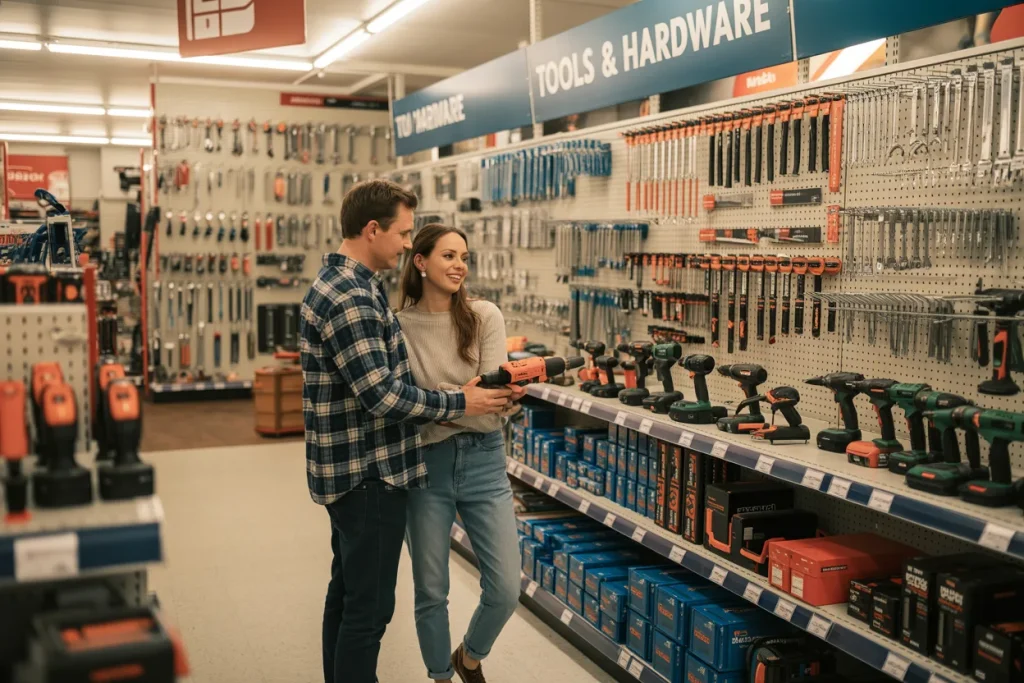
You don’t need to spend a fortune to get started. Many effective tools are affordable, durable, and versatile. Look for basic sets of hand tools and one or two power tools to cover most projects.
Recommended Budget-Friendly Tools
| Tool | Approximate Price |
|---|---|
| Hammer | $10-$15 |
| Screwdriver Set | $15-$25 |
| Cordless Drill | $50-$80 |
| Tape Measure | $8-$12 |
Investing in quality tools within your budget can save money in the long run by avoiding replacements.
Tips for Choosing the Right DIY Home Improvement Tools
- Start Small: Begin with essential tools and expand based on your projects.
- Check Reviews: Look for tools with good durability and ease of use.
- Prioritize Versatility: Multi-use tools can handle several tasks.
- Safety First: Ensure tools come with safety instructions or features.
As Mike Holmes, a renowned contractor, notes: “Good tools are an investment that protects your time, safety, and results.”
How DIY Home Improvement Tools Save Time and Money
Having the right tools allows you to handle simple repairs and upgrades without hiring professionals. Small tasks, like fixing a leaky sink or hanging shelves, can be done in hours instead of waiting days for a service appointment.
DIY projects also reduce costs because you avoid service fees, and buying quality tools ensures long-term use. Over time, the savings from performing your own projects can be substantial.
Enhancing Creativity With DIY Tools
DIY home improvement tools allow you to customize your space. From building shelves to designing furniture arrangements, the possibilities are endless. Tools make creativity practical, letting you bring ideas to life safely and efficiently.
“DIY is about empowerment and creativity. With the right tools, anyone can shape their space,” says Sarah Richardson, a home design expert.
Frequently Asked Questions
What are the essential DIY home improvement tools for beginners?
Beginners should start with a hammer, screwdrivers, pliers, tape measure, and a cordless drill. These cover most basic projects.
Do I need power tools to do DIY home improvement?
Not always. Hand tools are sufficient for minor repairs. Power tools help with efficiency and larger projects.
How should I store my DIY home improvement tools?
Use a toolbox, wall-mounted pegboard, or shelves. Keep tools clean and dry to prevent rust and damage.
Are budget tools effective for DIY projects?
Yes. Affordable tools from reputable brands are durable and suitable for most household projects.
Can DIY tools be dangerous?
If used incorrectly, any tool can be dangerous. Always read instructions, wear protective gear, and use tools for their intended purpose.
Conclusion
DIY home improvement tools are more than just equipment they are the key to maintaining, upgrading, and personalizing your home. With a few essential hand tools, some basic power tools, and safety knowledge, you can tackle a wide range of projects.
Whether you are fixing a small leak, building a shelf, or remodeling a room, having the right tools makes the process easier, faster, and more enjoyable. Organize your tools, invest wisely, and enjoy the satisfaction of completing projects on your own. As Norman Vincent Peale said: “Action is the foundational key to all success.” Your DIY projects start with taking action, one tool at a time.
Related posts
 Which kitchen tools are essential for cooking
If you are wondering Which kitchen tools are essential for cooking , the answer includes nonstick pans, silicone utensils, stainless steel bowls, and dishwasher safe cookware…
 How to Choose the Right Vegetable Chopper
If you are wondering How to Choose the Right Vegetable Chopper, this guide explains blade types, size, material, safety features, and cleaning ease so you can…
 Best Portable Dishwasher 2026
Looking for the Best Portable Dishwasher 2026? This detailed guide reviews top models, features, pros and cons, pricing, and expert tips to help you choose the…