
How To Use A Pressure Cooker Safely

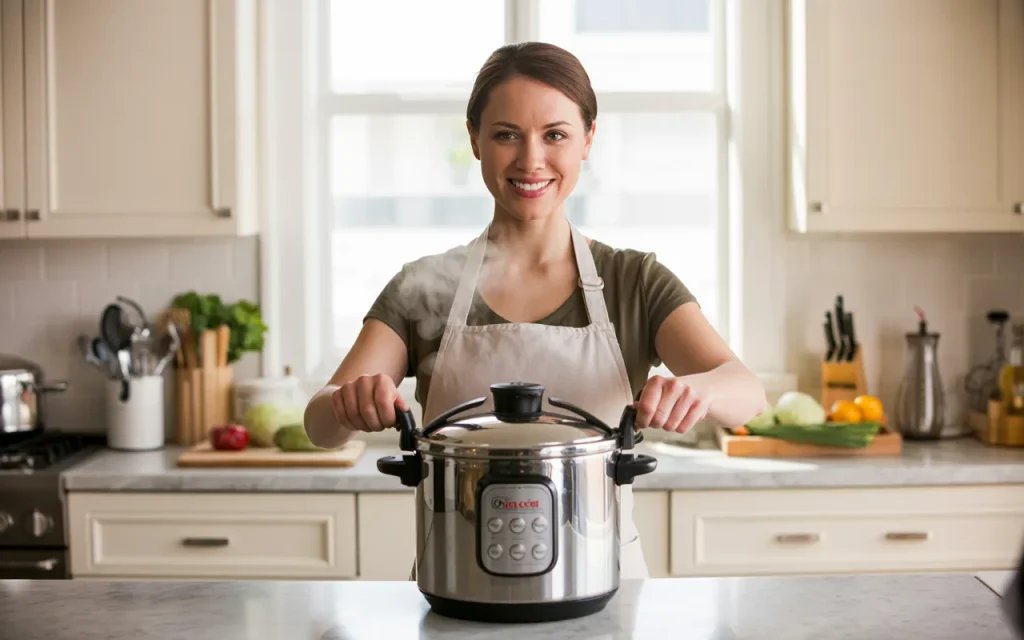
If you want to cook meals faster and save energy, this guide on How To Use A Pressure Cooker explains each step clearly, from setup and safety checks to cooking times and cleaning tips for perfect results every time.
Learning How To Use A Pressure Cooker can change the way you cook at home. It saves time, keeps flavors rich, and helps you prepare healthy meals with less effort. Many people feel unsure at first, but once you understand the basics, it becomes simple and safe.
A pressure cooker works by trapping steam inside a sealed pot. As steam builds, the pressure rises. This higher pressure increases the boiling point of water, so food cooks much faster than in a regular pot. Beans that take an hour can cook in minutes. Tough cuts of meat become tender in a short time.
In this guide, you will learn step by step how to use it safely and confidently. I will share clear tips, common mistakes, and practical advice from real kitchen experience.
As chef Maria Clarke says,
“A pressure cooker is one of the most useful tools in a home kitchen if you respect it and use it the right way.”

What Is a Pressure Cooker and How Does It Work?
A pressure cooker is a heavy pot with a locking lid and a pressure valve. When heated, liquid inside turns into steam. Because the steam cannot escape, pressure builds inside the pot. This pressure raises the cooking temperature above normal boiling point.
Higher heat means faster cooking. It also helps food stay moist because steam circulates inside the sealed pot.
There are two main types:
Stovetop Pressure Cookers
These sit on your stove. You control the heat manually. They usually reach higher pressure and cook slightly faster.
Electric Pressure Cookers
These are plug-in appliances with built-in programs. They adjust heat and pressure automatically. Many people prefer them for convenience.
No matter the type, the basic steps for How To Use A Pressure Cooker stay very similar.
Parts of a Pressure Cooker
Before cooking, know the key parts:
-
Lid with locking system
-
Rubber gasket or sealing ring
-
Pressure valve or regulator
-
Safety valve
-
Pot body
Each part plays a role in safe cooking. Always check the gasket and valve before use. If they are damaged or blocked, do not cook.
Safety First Before Cooking
Safety is simple if you follow clear rules. Most problems happen when people skip steps.
Check the Sealing Ring
Make sure it is clean and flexible. If it looks cracked or stiff, replace it.
Check the Valve
Ensure it is not blocked with food or debris.
Never Overfill
Fill the cooker only two thirds full for most foods. For beans, rice, and foods that foam, fill only half.
Here is a quick reference table.
Pressure Cooker Filling Guide
| Food Type | Max Fill Level |
|---|---|
| Meat and vegetables | 2/3 full |
| Beans and rice | 1/2 full |
| Soups and stews | 2/3 full |
Following these steps is a key part of How To Use A Pressure Cooker safely.
Step By Step Guide: How To Use A Pressure Cooker
Now let us go through the full cooking process.
Step 1 Add Ingredients and Liquid
Always add enough liquid. Most recipes need at least 1 cup of water or broth. Pressure cookers need liquid to create steam.
Place food inside evenly. Do not pack it too tightly.
Step 2 Close and Lock the Lid
Align the lid properly and lock it in place. Double-check that the sealing ring is seated well.
Step 3 Heat the Cooker
For stovetop models, place on medium-high heat. For electric models, choose the cooking program.
Steam will start to build. Once full pressure is reached, the valve will rise or the indicator will signal.
Step 4 Reduce Heat
For stovetop cookers, reduce heat to maintain steady pressure. Too much heat can cause burning.
Step 5 Set Cooking Time
Start timing once pressure is reached. Cooking times are much shorter than normal boiling.
Step 6 Release Pressure
There are two main ways:
-
Natural release: Turn off heat and let pressure drop on its own.
-
Quick release: Carefully open the valve to release steam.
Never force open the lid while pressure is inside.
Chef Daniel Morris says,
“Patience during pressure release keeps both your food and your kitchen safe.”
Learning these steps makes How To Use A Pressure Cooker feel simple and safe.

Common Cooking Times
Here is a helpful cooking time table.
Basic Pressure Cooking Times
| Food Item | Time at Pressure |
|---|---|
| White rice | 3 to 5 minutes |
| Brown rice | 20 to 22 minutes |
| Dried beans | 20 to 30 minutes |
| Chicken breast | 8 to 10 minutes |
| Beef stew meat | 20 to 25 minutes |
These times may vary slightly based on size and model.
Tips for Best Results
If you want consistent results while learning How To Use A Pressure Cooker, keep these tips in mind.
Brown Meat First
Use the sauté setting or brown meat before sealing. This adds deeper flavor.
Avoid Thick Sauces
Very thick sauces can burn. Add them after cooking if needed.
Use a Timer
Do not guess cooking time. Overcooking can make vegetables mushy.
Let It Rest
Natural release helps meat stay tender.
Food writer Sarah Lopez shares,
“Once you trust the process, a pressure cooker becomes your weeknight hero.”
Cleaning and Maintenance
Cleaning is simple but important.
-
Let the cooker cool fully.
-
Remove gasket and wash separately.
-
Clean the valve gently.
-
Dry all parts before storing.
Store the lid upside down on the pot to avoid sealing odors.
Regular cleaning keeps your cooker safe and extends its life.
Common Mistakes to Avoid
Even experienced cooks make mistakes. Here are a few to watch for:
Not Adding Enough Liquid
Without enough liquid, food can burn and pressure will not build properly.
Opening Too Soon
Never force the lid open.
Overfilling the Pot
This can block valves and cause unsafe pressure.
Ignoring the Manual
Each model may have small differences. Read the manual once before first use.
Avoiding these mistakes helps you feel confident about How To Use A Pressure Cooker every time.
Benefits of Using a Pressure Cooker
Many home cooks love pressure cooking for good reasons.
-
Saves cooking time
-
Uses less energy
-
Keeps nutrients better than long boiling
-
Makes tough meat tender
-
Great for meal prep
It also reduces kitchen heat during warm seasons.
Pressure Cooking for Beginners
If you are new and wondering again about How To Use A Pressure Cooker, start simple.
Try:
-
Rice
-
Lentils
-
Chicken soup
-
Steamed vegetables
Simple recipes build confidence.
Cookbook author James Reed says,
“Start small, build confidence, and soon you will rely on your pressure cooker for daily meals.”

Frequently Asked Questions
Is a pressure cooker safe?
Yes. Modern models have multiple safety features. Follow instructions carefully.
Can I cook frozen meat?
Yes, but increase cooking time by about 50 percent.
Do I need oil?
Oil is optional. It depends on your recipe.
Why is my food too soft?
You may have cooked too long or used quick release instead of natural release.
How much water do I need?
Most recipes require at least 1 cup of liquid.
Final Thoughts
Learning How To Use A Pressure Cooker gives you speed, flavor, and convenience in your kitchen. Once you understand the simple steps, it feels easy and safe. Check the seal, add enough liquid, control the heat, and release pressure correctly.
This tool helps busy families cook healthy meals faster. It also works well for batch cooking and saving money on tough cuts of meat.
Related posts
 Which kitchen tools are essential for cooking
If you are wondering Which kitchen tools are essential for cooking , the answer includes nonstick pans, silicone utensils, stainless steel bowls, and dishwasher safe cookware…
 How to Choose the Right Vegetable Chopper
If you are wondering How to Choose the Right Vegetable Chopper, this guide explains blade types, size, material, safety features, and cleaning ease so you can…
 Best Portable Dishwasher 2026
Looking for the Best Portable Dishwasher 2026? This detailed guide reviews top models, features, pros and cons, pricing, and expert tips to help you choose the…