
How To Use A Bundt Pan Properly for Perfect Cakes

Learn How To Use A Bundt Pan Properly with clear, step by step tips for greasing, filling, baking, and releasing cakes so they look great and taste even better every time.
A Bundt pan can turn a simple cake into something that looks special without extra effort. Many home bakers buy one, use it once, then feel unsure after a cake sticks or comes out uneven. That can be frustrating, especially after spending time mixing batter and waiting for the oven timer. The good news is that learning How To Use A Bundt Pan Properly is simple once you know a few key habits.
This guide is written for real people who bake at home. It covers what a Bundt pan is, how to prep it, how to bake with it, and how to release your cake without stress. You will also find answers to common questions and two helpful tables placed where they make sense. Everything here uses plain language, friendly advice, and proven experience from home kitchens.
As baker and teacher Julia Hartman once said,
“A Bundt pan does half the decorating for you, but only if you treat it right.”

That idea runs through this whole article.
What Is a Bundt Pan and Why It Matters
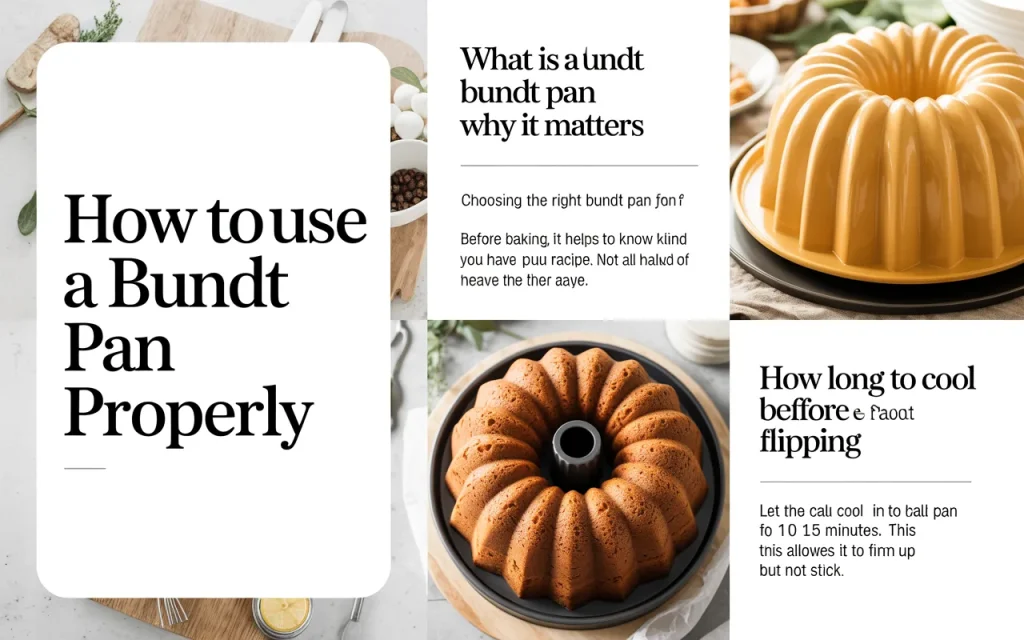
A Bundt pan is a round cake pan with a center tube and decorative sides. That tube helps heat move through the batter, which allows thick cakes to bake more evenly. The detailed shape also gives the cake its signature look.
Unlike flat pans, Bundt pans have many curves and corners. Those details are beautiful, but they also mean batter can stick if the pan is not prepared well. This is why learning How To Use A Bundt Pan Properly is different from using a regular cake pan.
Bundt pans are often used for pound cakes, coffee cakes, and dense batters. These cakes hold their shape well and show off the pan design after baking.
Choosing the Right Bundt Pan for Your Recipe
Before baking, it helps to know what kind of Bundt pan you have. Not all pans behave the same way.
Common Bundt Pan Materials
Different materials affect baking time, browning, and release.
| Material | Features | Best Use |
|---|---|---|
| Aluminum | Light, even heat | Most cake recipes |
| Nonstick | Easier release | Detailed designs |
| Silicone | Flexible | No sharp details |
| Cast aluminum | Heavy, detailed | Show cakes |
Aluminum and cast aluminum are the most common and reliable for home baking. Silicone pans can work, but they often need longer bake times and extra support.
Choosing the right pan makes How To Use A Bundt Pan Properly much easier from the start.
How To Prepare a Bundt Pan the Right Way
Pan prep is the most important step. Many cake failures happen here, not in the oven.
Greasing the Pan Correctly
You need to grease every surface, including the center tube and all grooves. Use a pastry brush or clean fingers so you can reach every curve. Good options include softened butter, baking spray with flour, or oil plus flour. Avoid plain oil spray without flour, as it often causes sticking.
Flouring the Pan
After greasing, add a spoon of flour. Tilt and turn the pan so flour coats every greased spot. Tap out the extra. This thin layer helps the cake release cleanly. This step is key to How To Use A Bundt Pan Properly, especially with detailed designs.
Baker Maria Collins explains it well:
“If you rush the pan prep, the cake will remind you later.”

Filling the Bundt Pan Without Problems
Bundt pans should never be filled to the top. Batter needs room to rise and bake evenly.
How Full Should a Bundt Pan Be
Most Bundt pans work best when filled about two thirds full. This allows the cake to rise without spilling over.
| Pan Size | Batter Amount |
|---|---|
| 10 cup pan | 6 to 7 cups |
| 12 cup pan | 7 to 8 cups |
If your recipe makes more batter than needed, bake the extra as cupcakes. Overfilling is a common mistake when learning How To Use A Bundt Pan Properly.
Baking Tips for Even Results
Bundt cakes are often thicker than other cakes, so they need steady heat and patience.
Oven Temperature and Placement
Most Bundt cakes bake well at 325°F to 350°F. Place the pan on the middle rack so air can move around it. Avoid opening the oven too often. Heat loss can cause uneven baking or sinking.
Checking for Doneness
Use a long skewer or thin knife. Insert it near the center tube and toward the outer edge. If it comes out clean, the cake is done. These habits support How To Use A Bundt Pan Properly and help you get consistent results.

Cooling and Releasing the Cake Safely
This is the moment many bakers worry about most. Timing matters.
How Long to Cool Before Flipping
Let the cake cool in the pan for 10 to 15 minutes. This allows it to firm up but not stick.
Place a wire rack over the pan, hold both firmly, and flip in one smooth motion. Lift the pan slowly.
If the cake does not release right away, tap the pan gently or let it sit upside down for another minute.
Pastry chef Alan Brooks once said, “A calm flip is better than a fast one.” That advice helps here.
Cleaning and Storing a Bundt Pan
Proper care keeps your pan working well for years.
Cleaning Tips
Wash the pan after it cools. Use warm water, mild soap, and a soft sponge. Avoid metal scrubbers that can damage the surface. If batter sticks in grooves, soak the pan briefly before cleaning.
Storage Advice
Store Bundt pans where they will not get dented. Avoid stacking heavy items inside them, as this can warp the shape.
Good care supports long term success with How To Use A Bundt Pan Properly.
Common Mistakes and How to Avoid Them
Even experienced bakers make mistakes. Knowing them helps you avoid trouble.
Frequent Errors
Some common issues include skipping flour, overfilling the pan, baking at too high a temperature, and flipping too soon.
These mistakes often lead to sticking, cracks, or uneven texture.
Learning How To Use A Bundt Pan Properly means building simple habits that prevent these problems before they start.
Recipe Types That Work Best in a Bundt Pan
Not every cake suits a Bundt pan. Dense batters work best because they hold shape.
Good options include pound cake, sour cream cake, marble cake, and coffee cake. Light sponge cakes are better for flat pans.
Choosing the right recipe is another part of How To Use A Bundt Pan Properly that many people overlook.
Frequently Asked Questions
Why does my Bundt cake stick every time?
Most sticking issues come from poor pan prep. Make sure you grease and flour every curve and corner before adding batter.
Can I use parchment paper in a Bundt pan?
Parchment does not work well with the pan shape. Proper greasing and flouring are better options.
How do I adjust baking time for dark pans?
Dark pans bake faster. Lower the oven temperature by about 25°F and check the cake early.
Is it okay to use cake mix in a Bundt pan?
Yes. Many cake mixes work well. Just watch the batter amount and bake time.
Should I let the cake cool completely before flipping?
No. Waiting too long can cause sticking. Flip after 10 to 15 minutes for best results.
Conclusion
A Bundt pan is a great tool once you know how to treat it. With the right prep, careful filling, steady baking, and gentle release, you can make cakes that look as good as they taste. Learning How To Use A Bundt Pan Properly does not require special skills, only attention and patience.
Each time you bake, you gain more confidence. Over time, the pan becomes a favorite, not a challenge. As home baker Susan Lane puts it, The Bundt pan rewards care. Give it that, and it gives beauty back.
Related posts
 Which kitchen tools are essential for cooking
If you are wondering Which kitchen tools are essential for cooking , the answer includes nonstick pans, silicone utensils, stainless steel bowls, and dishwasher safe cookware…
 How to Choose the Right Vegetable Chopper
If you are wondering How to Choose the Right Vegetable Chopper, this guide explains blade types, size, material, safety features, and cleaning ease so you can…
 Best Portable Dishwasher 2026
Looking for the Best Portable Dishwasher 2026? This detailed guide reviews top models, features, pros and cons, pricing, and expert tips to help you choose the…