
How To Clean Silicone Bakeware Easily at Home
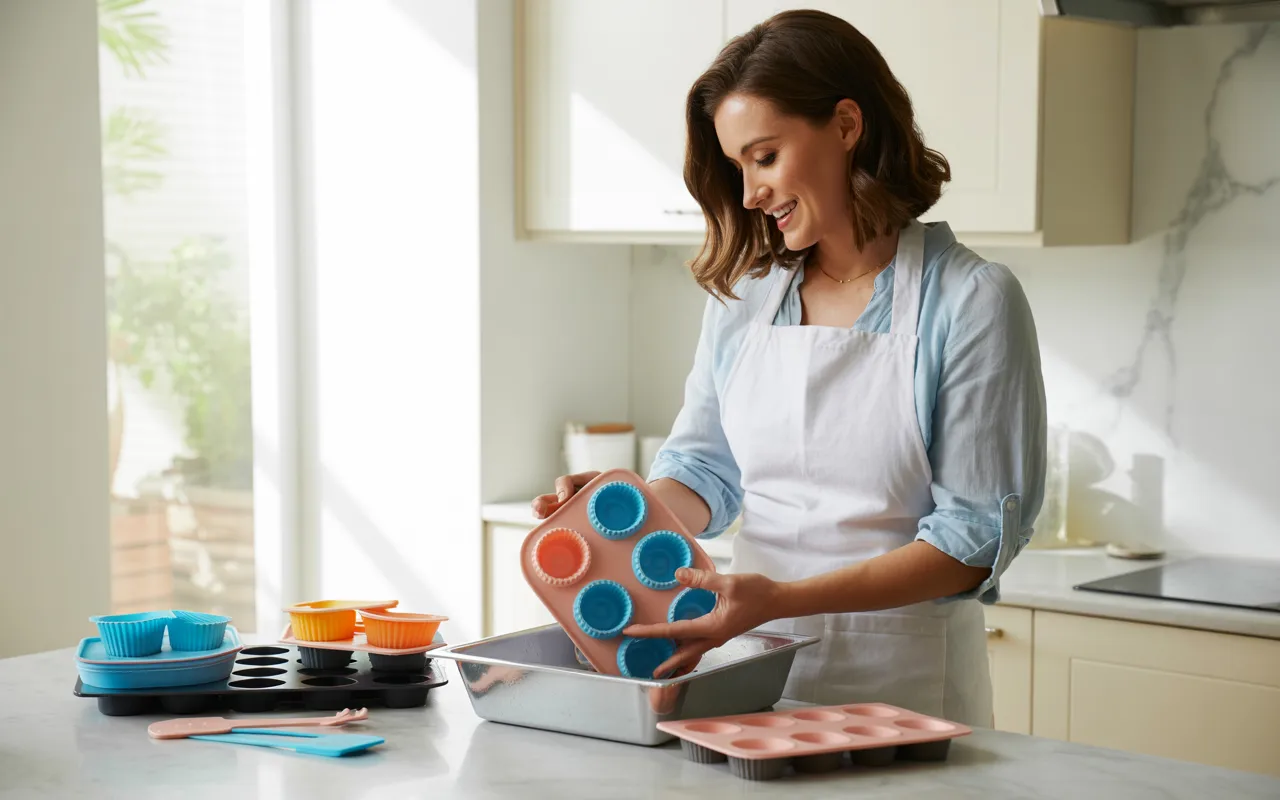
Learn How To Clean Silicone Bakeware the right way with simple steps that remove grease, stains, and odors safely. This guide gives clear answers, easy methods, and care tips for long lasting bakeware.
Silicone bakeware has become a favorite in many kitchens. It is light, flexible, and easy to store. Cakes slide out with ease, muffins keep their shape, and cleanup feels simple at first. Yet over time, many people notice a greasy film, dull color, or strange smell that will not go away. That is where knowing How To Clean Silicone Bakeware properly makes a big difference.
This guide is written to help you care for your silicone baking tools with calm, clear steps. The tips come from real kitchen use and common sense care. You will learn daily cleaning, deep cleaning, odor removal, and safe habits that keep your bakeware fresh. Everything here uses simple words and easy actions, so anyone can follow along with comfort and trust.
“Good cooking starts with clean tools. A cared for pan always treats you better.”
Julia Child
Why Silicone Bakeware Needs Special Care
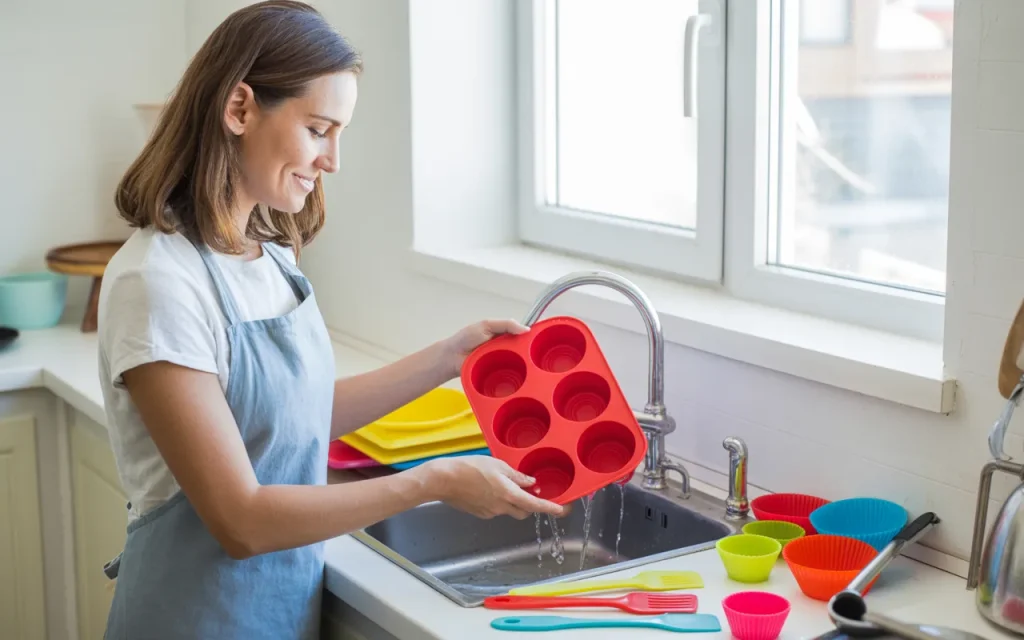
Silicone is not like metal or glass. It has tiny pores that can hold grease and soap residue. Over time, oils from butter, sprays, and batter sink in. This is why silicone can feel sticky even after washing. If you skip proper care, smells from sweet or savory foods can linger.
Learning How To Clean Silicone Bakeware helps you protect food taste and pan life. Clean silicone also bakes better. Heat spreads evenly when the surface is free from buildup. A little care after each use saves time later and keeps baking fun.
Common Issues You Might Notice
Many home bakers share the same concerns. These issues are normal and fixable with the right approach.
| Issue | What Causes It |
|---|---|
| Greasy feel | Oil trapped in silicone pores |
| White film | Soap residue |
| Food smell | Absorbed odors |
| Dull color | Heat and oil buildup |
Understanding these signs helps you choose the right cleaning step instead of guessing.
Daily Cleaning Basics After Baking
Right after baking, daily care matters most. This is the first step in How To Clean Silicone Bakeware without stress. Let the pan cool fully. Hot silicone can trap soap and warp slightly if rushed.
Wash with warm water and a few drops of mild dish soap. Use a soft sponge, never steel wool. Gently scrub all corners and ridges. Rinse longer than you think is needed. Soap residue is one of the main reasons silicone feels sticky later.
Air dry the bakeware fully before storing. Trapped moisture can hold smells and dust. Place pans upright or flat in an open space.
“Clean tools make cooking calmer. You notice the small joys more.”
Ina Garten
Step by Step Deep Cleaning Method
Sometimes daily washing is not enough. When grease or smell stays, deep cleaning helps. This is a trusted part of How To Clean Silicone Bakeware that many bakers use at home.
What You Will Need
| Item | Purpose |
|---|---|
| Baking soda | Lifts grease |
| White vinegar | Breaks odors |
| Hot water | Opens silicone pores |
Simple Deep Clean Steps
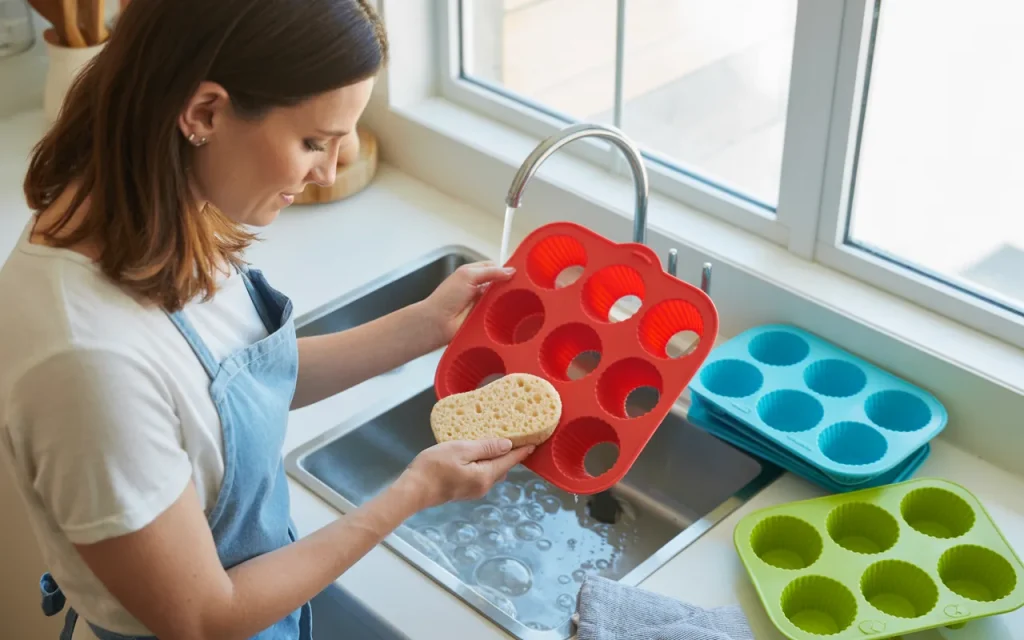
Fill a sink or large bowl with very hot water. Add half a cup of baking soda and one cup of white vinegar. Place the silicone bakeware inside and let it soak for at least 30 minutes. The bubbles help pull oil out of the silicone.
After soaking, scrub gently with a soft brush. Rinse with hot water until no powder or smell remains. Air dry fully. This method works well for muffin trays, loaf pans, and molds.
Removing Strong Odors From Silicone
Silicone can hold smells from garlic bread, cheese bakes, or spices. Odor removal is a key part of How To Clean Silicone Bakeware that many people overlook.
One safe method is oven heat cleaning. Place clean, dry silicone bakeware on the oven rack. Heat the oven to 350 degrees Fahrenheit and leave the pan inside for 20 minutes. Let it cool fully before touching. Heat helps release trapped odors without chemicals.
Another option is lemon soak. Add sliced lemons to hot water and soak the pan for one hour. Rinse well and dry. Fresh citrus scent fades fast and leaves no taste.
“A clean pan has no memory of yesterday’s meal.”
Alton Brown
Can You Use a Dishwasher Safely
Many silicone items say dishwasher safe, but this does not always mean best choice. Dishwashers use strong soap and high heat cycles. Over time, this can cause residue buildup.
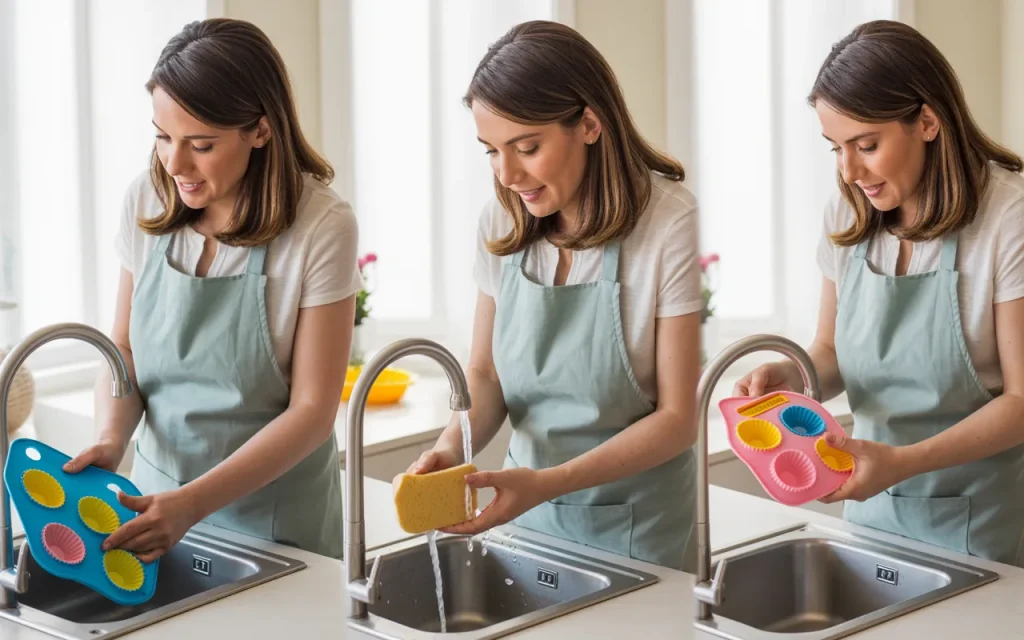
If you choose the dishwasher, place silicone on the top rack only. Use less detergent than usual. Skip heated dry cycles. Hand washing remains the safest method for those who care about long term results. This choice supports How To Clean Silicone Bakeware with care and patience.
What to Avoid While Cleaning Silicone
Avoid harsh cleaners, bleach, and rough pads. These damage the surface and make grease stick more later. Avoid strong scented soaps. Scents can cling to silicone and affect food taste.
Do not store silicone while damp. Do not stack it tightly with metal pans that can press and bend edges. Gentle habits protect shape and surface quality.
Storage Tips That Keep Silicone Fresh
Storage plays a quiet role in How To Clean Silicone Bakeware. Store bakeware in a cool, dry place. If stacking, place paper towels between items. This absorbs any leftover moisture and keeps surfaces from rubbing.
Avoid sealing silicone in airtight containers right after use. Let it breathe for a day if possible. Fresh air helps remove any hidden moisture or scent.
Frequently Asked Questions
How often should silicone bakeware be deep cleaned
Deep cleaning once a month works for most home bakers. If you bake often or use oily recipes, do it every two weeks.
Why does my silicone pan still feel greasy
Grease stays when soap residue traps oil. Use baking soda soak and rinse longer with hot water.
Is boiling silicone bakeware safe
Yes, boiling for 10 minutes in plain water can help remove residue. Let it cool before handling.
Can baking soda scratch silicone
No, baking soda is gentle and safe for silicone surfaces.
Does silicone wear out over time
With good care, silicone bakeware lasts many years without losing shape or safety.
Conclusion
Learning How To Clean Silicone Bakeware brings calm back to baking. Clean pans bake better, smell fresh, and feel pleasant to use. Daily washing, gentle deep cleaning, and mindful storage all work together. These habits do not take much time, yet they protect your tools and food quality.
Silicone bakeware rewards care with easy release and even baking. Treat it well, and it stays a trusted part of your kitchen routine. With these simple steps, you can enjoy stress free baking and clean results every time.
Related posts
 Which kitchen tools are essential for cooking
If you are wondering Which kitchen tools are essential for cooking , the answer includes nonstick pans, silicone utensils, stainless steel bowls, and dishwasher safe cookware…
 How to Choose the Right Vegetable Chopper
If you are wondering How to Choose the Right Vegetable Chopper, this guide explains blade types, size, material, safety features, and cleaning ease so you can…
 Best Portable Dishwasher 2026
Looking for the Best Portable Dishwasher 2026? This detailed guide reviews top models, features, pros and cons, pricing, and expert tips to help you choose the…