
How to Clean Power Tools Safely and Correctly at Home
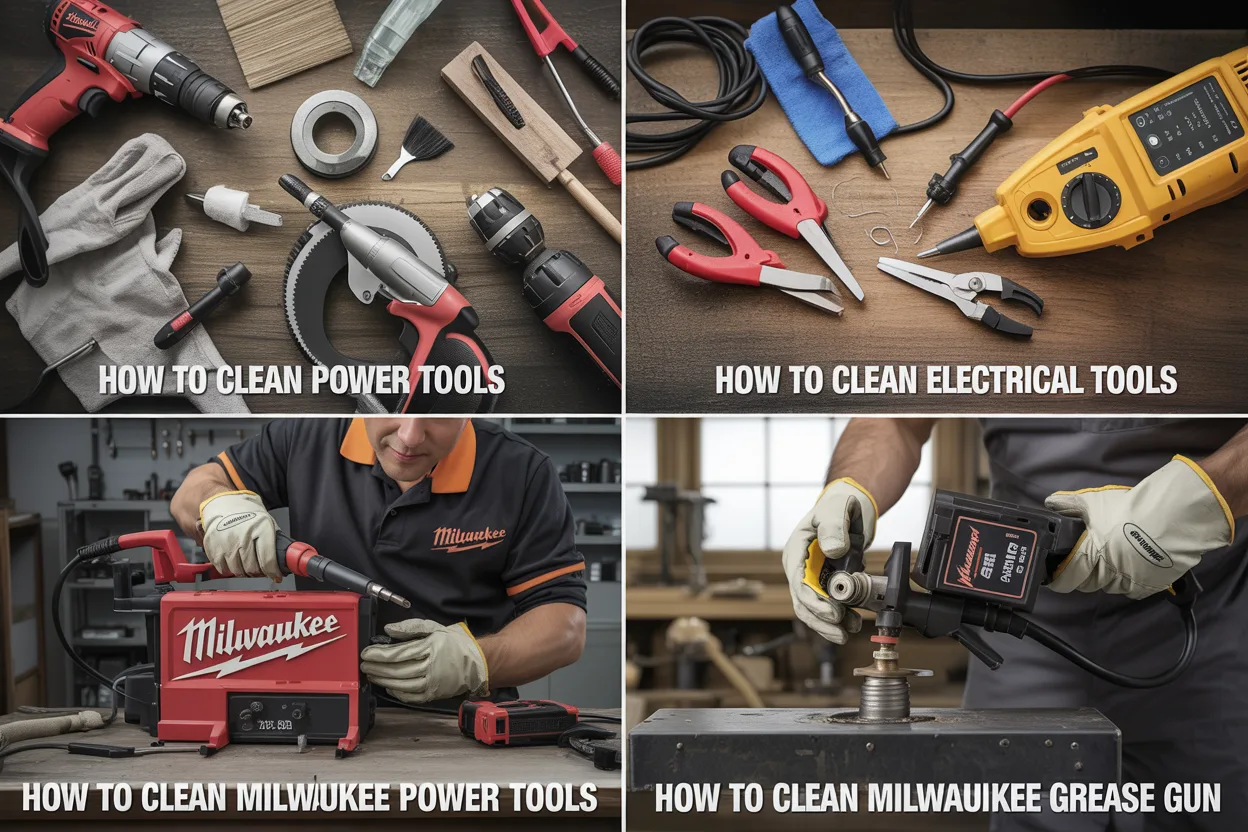
Clear steps on how to clean power tools safely and correctly, with simple routines, proper materials, and care habits that extend tool life and keep work areas safe.
Power tools help us build, fix, and create. They save time and effort, but they also collect dust, grease, and debris with every use. Many people focus on buying good tools yet forget the care that keeps them running well. Dirt builds up slowly, and performance drops before problems become clear. This guide explains how to clean power tools in a simple and calm way that fits real life. Cleaning tools is about safety, longer life, and better results. A clean tool runs cooler, feels smoother, and responds faster. It also lowers the chance of jams, sparks, or sudden stops. You do not need special skills or costly products. You need clear steps and steady habits.
This article shares hands-on advice from daily use in home workshops and job sites. It covers basic tools, corded and cordless models, and safe routines for storage. By the end, you will feel confident about how to clean power tools without stress or confusion.
Why Clean Power Tools Matter
Clean tools work better. Dust blocks vents and traps heat. Oil and grime affect switches and grips. Bits and blades lose balance when debris sticks. Safety is a key reason. Dirt can hide cracks, loose screws, or worn cords. Cleaning helps you spot issues early. It also improves grip, which lowers slips. Clean tools also last longer. Motors stay cool. Moving parts glide with ease. This saves money and avoids sudden failure during work.
“A clean tool tells you the truth about its condition.”
Author: Daniel Brooks
Basic Safety Rules Before Cleaning
Before any cleaning, safety comes first. Power tools need respect even when off.
Power Down and Disconnect
Always unplug corded tools. Remove batteries from cordless tools. This step prevents accidental starts.
Let Tools Cool
After use, tools can be hot. Wait until they feel cool to the touch. Heat mixed with cleaners can cause damage.
Use Proper Gear
Wear gloves for sharp parts. Eye protection helps when brushing dust. These simple steps make how to clean power tools safe for everyone.
Tools and Supplies You Need
You do not need many items. Keep a small kit ready.
Basic Cleaning Kit
-
Soft brush or old paintbrush
-
Dry cloth or microfiber towel
-
Mild soap
-
Small bowl of warm water
-
Compressed air can
-
Light machine oil
Avoid harsh cleaners. They can harm plastic and seals.
| Item | Purpose |
|---|---|
| Soft brush | Remove loose dust |
| Cloth | Wipe surfaces |
| Mild soap | Clean grips |
| Compressed air | Clear vents |
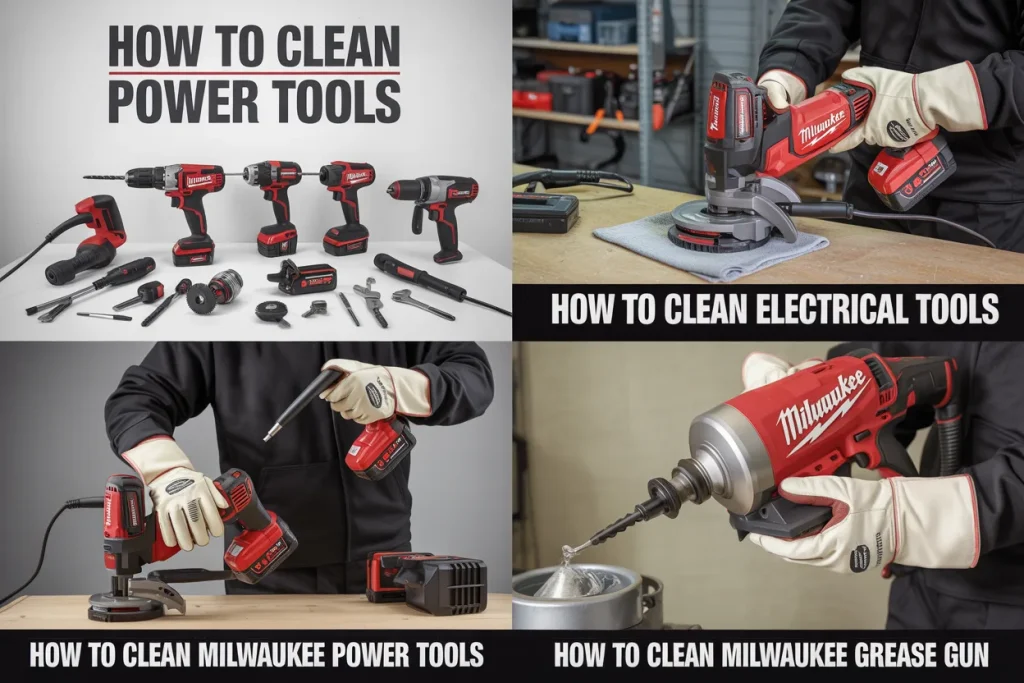
How to Clean Exterior Surfaces
Start with the outside. This is where most dirt sits.
Step by Step Exterior Cleaning
Brush off loose dust. Wipe the body with a dry cloth. For sticky spots, use a cloth with mild soapy water. Do not soak. Wipe again with a dry towel.
Pay attention to handles. Clean grips help control. Check switches for smooth movement.
This step is a core part of how to clean power tools and takes only minutes.
Cleaning Vents and Air Paths
Vents keep motors cool. When blocked, heat builds up.
Use compressed air to blow dust out. Hold the can upright. Short bursts work best. Keep the nozzle a few inches away.
Do not push debris inside. Always blow outward.
| Vent Area | Cleaning Method |
|---|---|
| Side vents | Compressed air |
| Rear vents | Soft brush |
| Fan slots | Air bursts |
Clean vents often if you cut wood or concrete.
Caring for Moving Parts
Moving parts need attention. Dust and dry grease cause wear.
Gears and Slides
Wipe exposed parts with a dry cloth. Add a drop of light oil if the manual allows it. Do not over oil.
Chucks and Collets
Remove bits. Brush inside. Wipe clean. A clean chuck grips better. These steps help how to clean power tools in a way that protects performance.
Cleaning Corded Power Tools
Corded tools have extra areas to check.
Inspect the Cord
Wipe the cord with a dry cloth. Look for cracks or cuts. Coil loosely after cleaning.
Plug Area
Dust near the plug can cause heat. Wipe it clean and dry.
Never dip cords or plugs in water.
Cleaning Cordless Power Tools
Cordless tools add battery care.
Battery Contacts
Remove the battery. Wipe contacts with a dry cloth. Keep them dry.
Battery Housing
Brush dust from slots. Do not spray liquids.
Clean batteries help tools deliver steady power.
Tool Specific Cleaning Tips
Each tool has small needs.
Drills
Clean vents and chuck. Remove dust from speed settings.
Saws
Brush blades carefully. Clean guards. Resin buildup needs mild soap.
Sanders
Empty dust bags. Clean pads. Dust left inside reduces suction.
This variety shows how to clean power tools based on use.
How Often Should You Clean Power Tools
Frequency depends on use.
-
Light home use: after each project
-
Heavy use: after each day
-
Dusty work: quick clean during use
Regular care avoids deep cleaning later.
“Small care after work saves big repairs later.”
Author: Melissa Grant
Storage After Cleaning
Clean tools need proper storage.
Dry and Cool Place
Moisture causes rust. Heat harms batteries.
Organized Storage
Use shelves, cases, or hooks. Avoid stacking.
Clean storage keeps tools ready.
Common Mistakes to Avoid
Some habits cause harm.
-
Using water spray
-
Using strong chemicals
-
Skipping unplugging
-
Over oiling
Avoid these to protect tools and yourself.
Environmental Factors That Affect Cleanliness
Work areas matter.
-
Wood dust sticks to oil
-
Metal filings scratch surfaces
-
Humidity causes rust
Adjust cleaning based on your space.
This awareness improves how to clean power tools in any location.
Long Term Benefits of Clean Tools
Clean tools last longer. They run cooler. They feel better in hand.
Work becomes smoother. Results improve. Stress drops.
“Clean tools make work feel calm and steady.”
Author: Robert Hayes
Frequently Asked Questions
Can I wash power tools with water?
No. Water can damage motors and cause shock.
How often should I clean vents?
After dusty work or once a week with regular use.
Is oil always needed?
Only if the manual allows it and parts feel dry.
Can I use household cleaners?
Mild soap is fine. Avoid strong chemicals.
What if dirt is stuck inside?
Use air and brushes. If stuck, seek service help.
Conclusion
Cleaning power tools is simple and worth the effort. It supports safety, better results, and long tool life. You do not need expert skills. You need steady habits and respect for your tools. By following these steps, you now know how to clean power tools with care and confidence. Keep routines light. Clean after use. Store tools dry and safe.
Related posts
 Which kitchen tools are essential for cooking
If you are wondering Which kitchen tools are essential for cooking , the answer includes nonstick pans, silicone utensils, stainless steel bowls, and dishwasher safe cookware…
 How to Choose the Right Vegetable Chopper
If you are wondering How to Choose the Right Vegetable Chopper, this guide explains blade types, size, material, safety features, and cleaning ease so you can…
 Best Portable Dishwasher 2026
Looking for the Best Portable Dishwasher 2026? This detailed guide reviews top models, features, pros and cons, pricing, and expert tips to help you choose the…