
Most Useful Home Improvement Tools for Every Homeowner
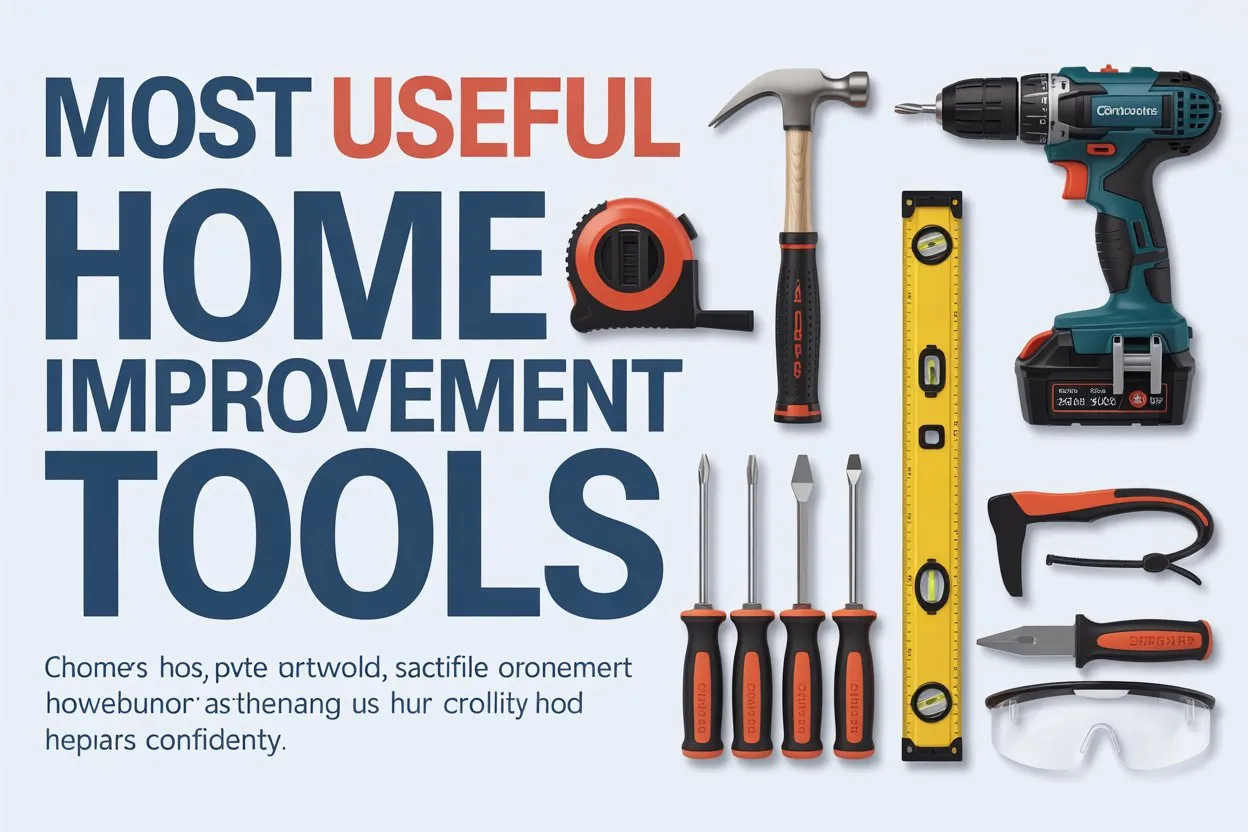
For homeowners and renters alike, Most Useful Home Improvement Tools for Every Homeowner, build, and maintain your home with ease, saving time, money, and effort while handling daily repair tasks confidently.
Home improvement is no longer limited to experts or full time contractors. Many people now prefer to handle small repairs and upgrades on their own. Doing simple work at home gives confidence, saves money, and helps you understand your living space better. The key to success is having the right tools and knowing how to use them safely. This guide focuses on the most useful home improvement tools that suit beginners and experienced homeowners alike. These tools help with daily fixes, furniture setup, wall work, basic electrical checks, plumbing adjustments, and more. You do not need a full workshop to start. A thoughtful selection of tools can cover most household needs.
As someone who has spent years helping friends and family with home fixes, I know how confusing tool choices can be. Stores are full of options, and many tools look similar. This article simplifies that process with clear explanations, real use cases, and honest advice.
“The right tool does not make the job harder. It makes the job calmer and safer.”
Author: Michael Reeves, Home Repair Educator
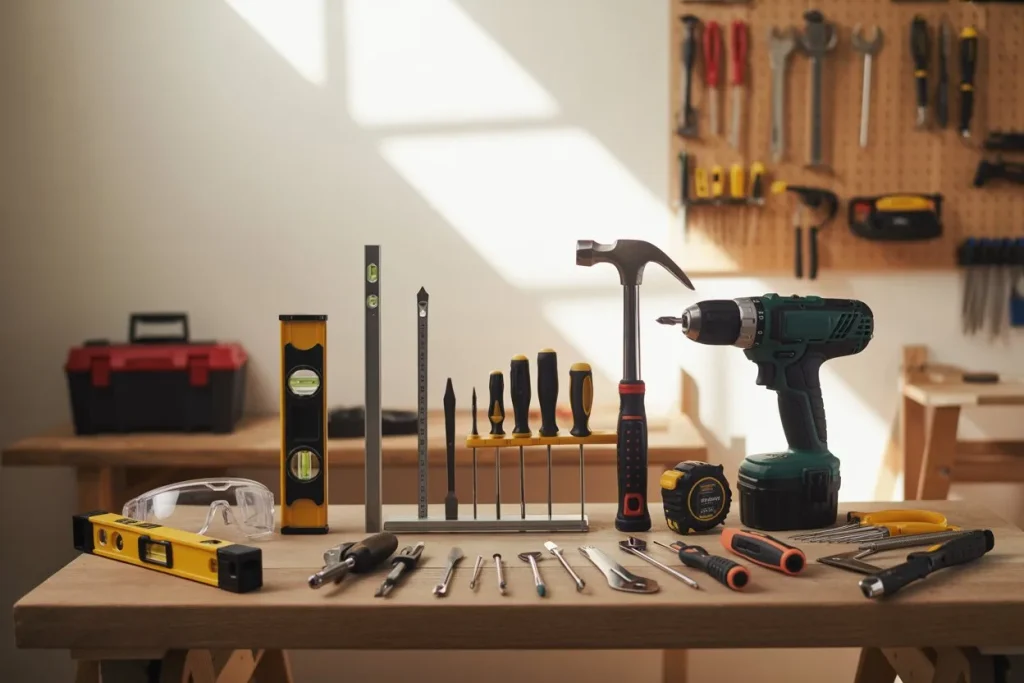
Why Every Home Needs Basic Improvement Tools
A home is a living space that needs care. Doors loosen, shelves tilt, pipes leak, and walls need fresh paint. Relying on outside help for every small issue costs time and money. Having basic tools allows quick fixes before small problems grow.
Another reason tools matter is safety. A loose handrail or unstable cabinet can cause injury. Quick action with proper tools helps avoid accidents. Also, working on small tasks builds confidence and reduces stress.
Most useful home improvement tools also support creativity. You can add shelves, hang art, fix furniture, or refresh rooms with simple changes. These improvements make a home feel personal and well cared for.
Hand Tools That Every Homeowner Should Own
Hand tools are the foundation of home improvement. They do not need power or charging and are easy to control. Most daily tasks rely on them.
Hammer
A hammer is one of the first tools every home needs. It helps with nails, small demolition, and fitting parts together. A claw hammer is best for general use because it removes nails as well. Choose one with a comfortable grip and balanced weight. Too heavy can strain your arm. Too light may not work well.
Screwdrivers
Screwdrivers are essential for furniture, fixtures, and devices. A set with flat head and Phillips types covers most needs. Magnetic tips help hold screws in place. A multi bit screwdriver saves space and money. It is ideal for homes with limited storage.
Adjustable Wrench
An adjustable wrench fits different bolt sizes. It is useful for plumbing fittings, furniture bolts, and appliance work. One medium size wrench works well for most tasks.
Pliers
Pliers grip, twist, and cut wires or small parts. Needle nose pliers reach tight spaces. Combination pliers handle stronger grips.
Common Hand Tools and Their Uses
| Tool Name | Main Use | Ideal For |
|---|---|---|
| Hammer | Driving and removing nails | Walls, furniture |
| Screwdriver set | Tightening screws | Fixtures, electronics |
| Adjustable wrench | Turning nuts and bolts | Plumbing, furniture |
| Pliers | Gripping and cutting | Wires, small parts |
Measuring and Marking Tools for Accuracy
Accurate measurements prevent waste and mistakes. Measuring tools help align items, cut materials, and plan layouts.
Tape Measure
A tape measure is vital for almost every project. It measures length, width, and height. A 16 to 25 foot tape suits home use. Look for clear markings and a strong lock. A magnetic hook adds convenience.
Spirit Level
A spirit level checks if surfaces are straight. It is needed for shelves, frames, cabinets, and tiles. Even small tilt can look bad and cause problems.
Pencil and Marker
Marking tools guide cutting and drilling. Use pencils for temporary marks and markers for visible lines on rough surfaces.
“Measure twice, fix once. Tools save effort when used with patience.”
Author: Linda Howard, DIY Workshop Trainer
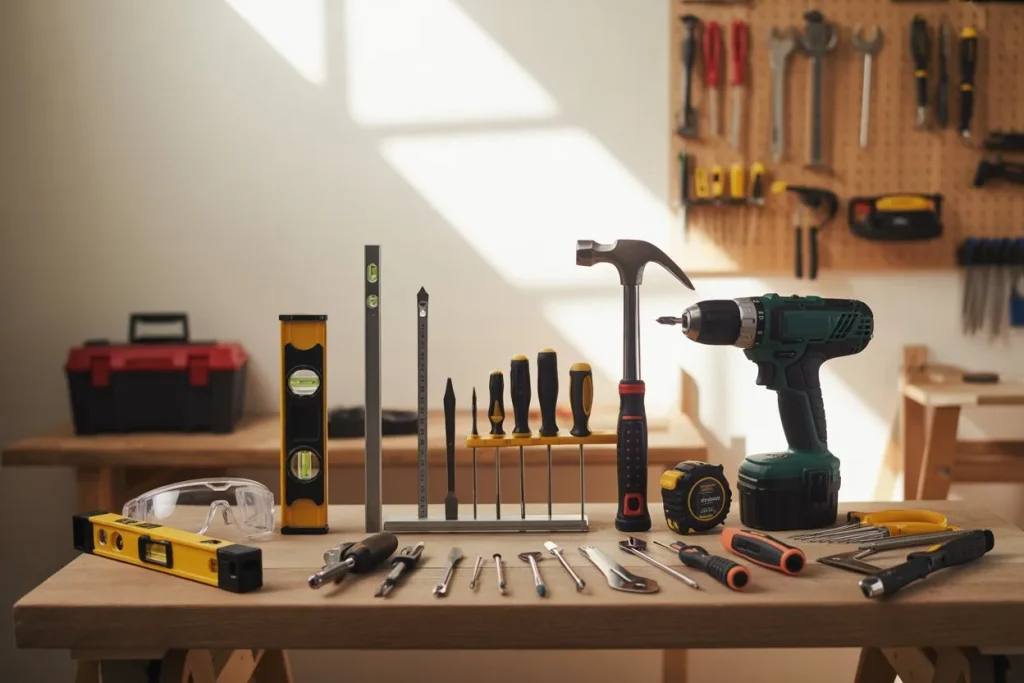
Power Tools That Make Work Faster
Power tools save time and reduce physical effort. They are helpful but should be used with care. Start with basic models before moving to advanced ones.
Cordless Drill
A cordless drill is one of the most useful home improvement tools. It drills holes and drives screws. Modern drills are light and easy to control. Choose one with adjustable speed and torque. This helps with different materials like wood, metal, and plastic.
Electric Sander
Sanding smooths surfaces before painting or repair. An electric sander speeds up this task and gives even results. It is useful for furniture, doors, and walls.
Jigsaw
A jigsaw cuts curves and straight lines in wood and thin metal. It helps with shelves, panels, and craft projects.
Basic Power Tools and Benefits
| Tool | Purpose | Benefit |
|---|---|---|
| Cordless drill | Drilling and screwing | Saves time |
| Electric sander | Surface smoothing | Even finish |
| Jigsaw | Cutting shapes | Flexible cuts |
Plumbing Tools for Small Fixes
Plumbing issues often start small. Having basic tools helps stop leaks early and avoid damage.
Pipe Wrench
A pipe wrench grips round pipes. It helps tighten or loosen plumbing joints. One medium size is enough for home use.
Plunger
A plunger clears clogged sinks and toilets. Keep one in the bathroom and one near the kitchen sink.
Teflon Tape
Teflon tape seals threaded joints. It prevents leaks and is easy to use. Wrap it around threads before tightening.
Electrical Tools for Safety Checks
Electrical work should be done with care. Simple tools help check issues without opening walls or wires.
Voltage Tester
A voltage tester checks if a wire or outlet has power. This tool improves safety during repairs.
Wire Stripper
Wire strippers remove insulation from wires. They help with light fixture changes and outlet repairs.
Insulated Screwdrivers
These screwdrivers protect against shocks. They are safer for electrical tasks.
Painting and Finishing Tools
Paint refreshes a home fast. The right tools give smooth results and reduce mess.
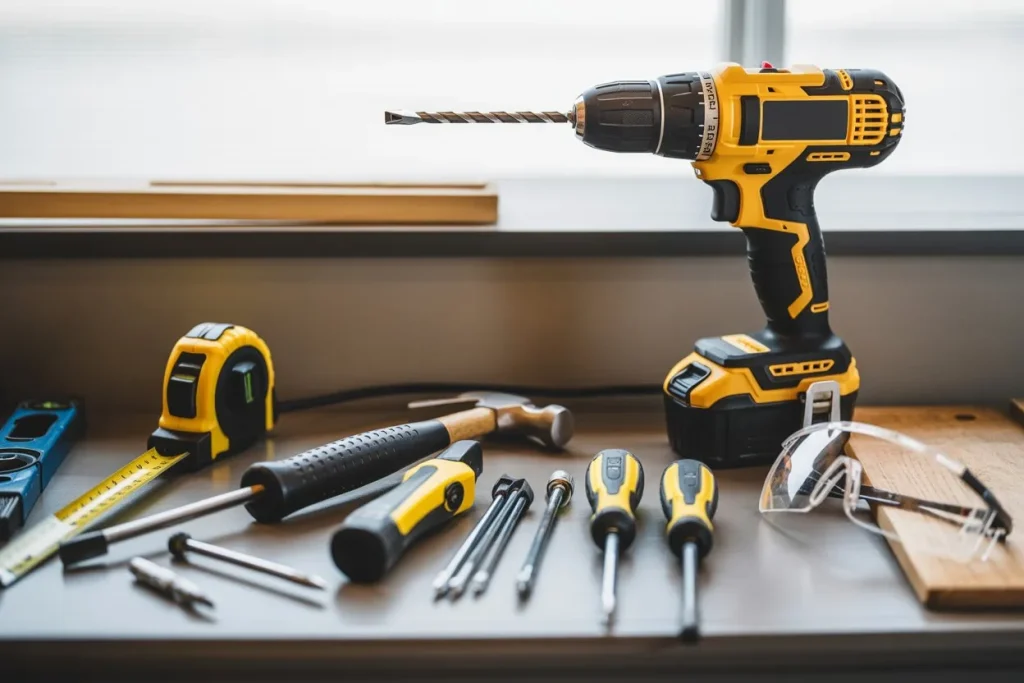
Paint Brushes and Rollers
Brushes handle edges and corners. Rollers cover large areas. Choose quality bristles to avoid streaks.
Drop Cloth
A drop cloth protects floors and furniture. Fabric cloths absorb spills better than plastic.
Putty Knife
A putty knife fills cracks and removes old paint. It helps prepare surfaces before painting.
Safety Tools You Should Never Skip
Safety tools protect you during work. They reduce risk and improve comfort.
Safety Glasses
Safety glasses shield eyes from dust and debris. Wear them during drilling, cutting, or sanding.
Work Gloves
Gloves protect hands from cuts and splinters. Choose flexible gloves for better grip.
Dust Mask
A dust mask filters particles during sanding and painting. It helps breathing comfort.
“Safety tools are not extras. They are part of every good repair.”
Author: James Carter, Residential Safety Consultant
Tool Storage and Organization
Tools last longer when stored well. Organization saves time and reduces loss.
Toolbox
A sturdy toolbox keeps tools in one place. Choose one with compartments.
Wall Pegboard
A pegboard stores tools on the wall. It keeps them visible and easy to reach.
Tool Bag
A tool bag is portable and suits quick tasks around the home.
How to Choose Quality Tools on a Budget
You do not need expensive brands. Focus on comfort, material quality, and warranty. Read reviews and test grip before buying. Buy tools as needed. Start with basics and add more later. Borrow or rent tools for rare tasks. Most useful home improvement tools are those you actually use. Avoid buying tools that sit unused.
Common Mistakes to Avoid
Many people buy too many tools at once. This leads to clutter and waste. Another mistake is ignoring safety instructions. Using the wrong tool for a task causes damage and injury. Always match the tool to the job. Skipping measurements leads to poor results. Take time to plan before starting.
Frequently Asked Questions
What are the most useful home improvement tools for beginners?
Beginners should start with a hammer, screwdriver set, tape measure, adjustable wrench, pliers, and a cordless drill. These tools handle most basic tasks.
How many tools does a home really need?
A small set of 15 to 20 tools covers most home repairs. Focus on quality and usefulness rather than quantity.
Are power tools safe for home use?
Yes, if used correctly. Read manuals, wear safety gear, and start with low speed settings.
Can I maintain tools at home?
Yes. Clean tools after use, store them dry, and check for damage. Simple care extends tool life.
How often should tools be replaced?
Replace tools when they show damage, rust, or loss of function. Well cared tools last many years.
Conclusion
Home improvement does not need to feel stressful or costly. With the most useful home improvement tools, anyone can handle small repairs and upgrades with confidence. These tools support safety, creativity, and independence at home. Start with basics, learn slowly, and respect safety rules. Over time, your skill and tool collection will grow naturally. A well prepared home toolkit is an investment in comfort and peace of mind. Whether fixing a loose hinge, hanging a frame, or refreshing a room, the right tools make each task simpler and more enjoyable
Related posts

If you are wondering Which kitchen tools are essential for cooking , the answer includes nonstick pans, silicone utensils, stainless steel bowls, and dishwasher safe cookware…
By bestoolsinfo
If you are wondering How to Choose the Right Vegetable Chopper, this guide explains blade types, size, material, safety features, and cleaning ease so you can…
By bestoolsinfo
Looking for the Best Portable Dishwasher 2026? This detailed guide reviews top models, features, pros and cons, pricing, and expert tips to help you choose the…
By bestoolsinfo