
How To Use A Stand Mixer Like a Pro at Home
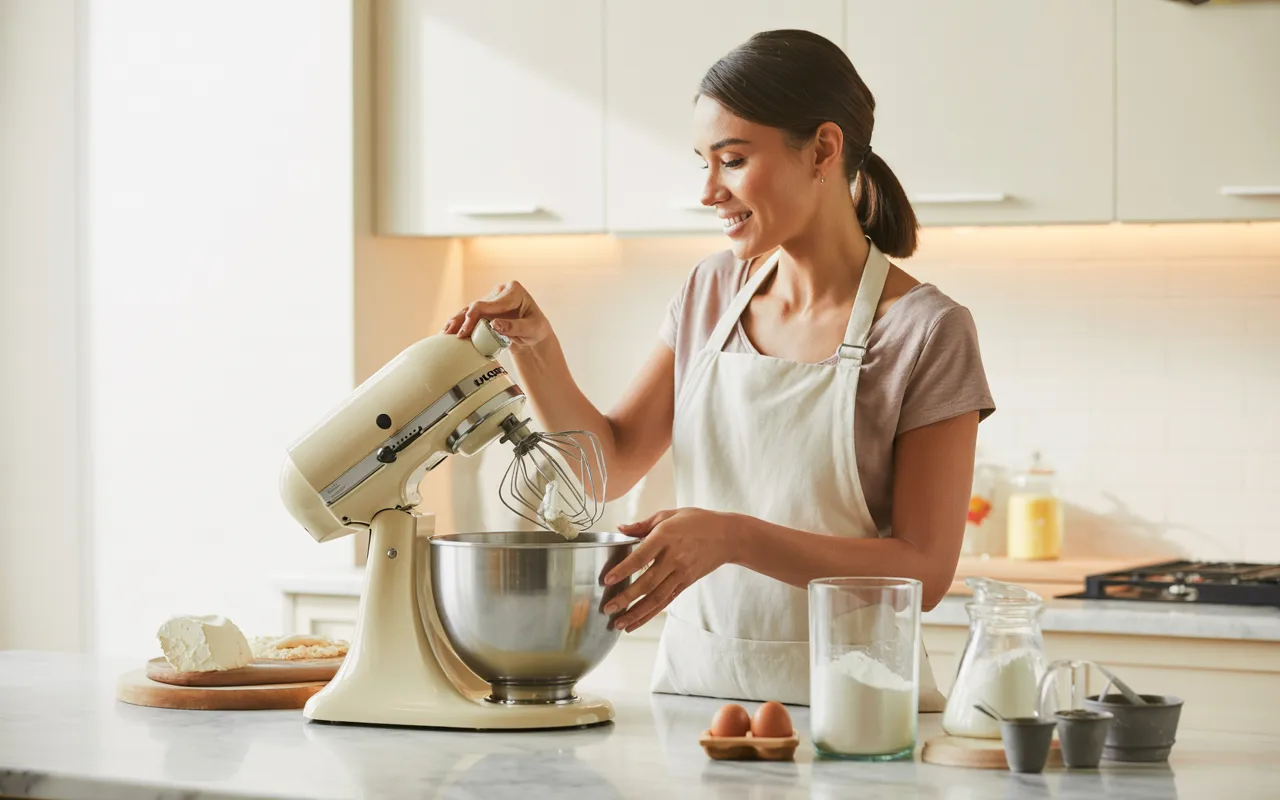
Learn How To Use A Stand Mixer step by step with clear tips, setup help, safety basics, and common tasks so you can bake and cook with ease at home.
A stand mixer is one of those kitchen tools that can feel exciting and confusing at the same time. It looks solid, it has many parts, and it promises to save time and effort. Yet many people keep it on the counter and use it only for one task, or worse, let it sit unused. This guide is written to help you feel calm and confident every time you turn it on. You will learn what each part does, how to set it up, and how to use it for daily cooking and baking in a safe and simple way.
I have used stand mixers for many years in home kitchens, shared spaces, and busy family homes. The steps and tips here come from real use, real mistakes, and real wins. By the end of this guide, you will know How To Use A Stand Mixer with ease and trust your hands and eyes as you work.
“Cooking feels better when your tools work with you, not against you.”
Author: Emily Carter
What a Stand Mixer Is and Why It Helps
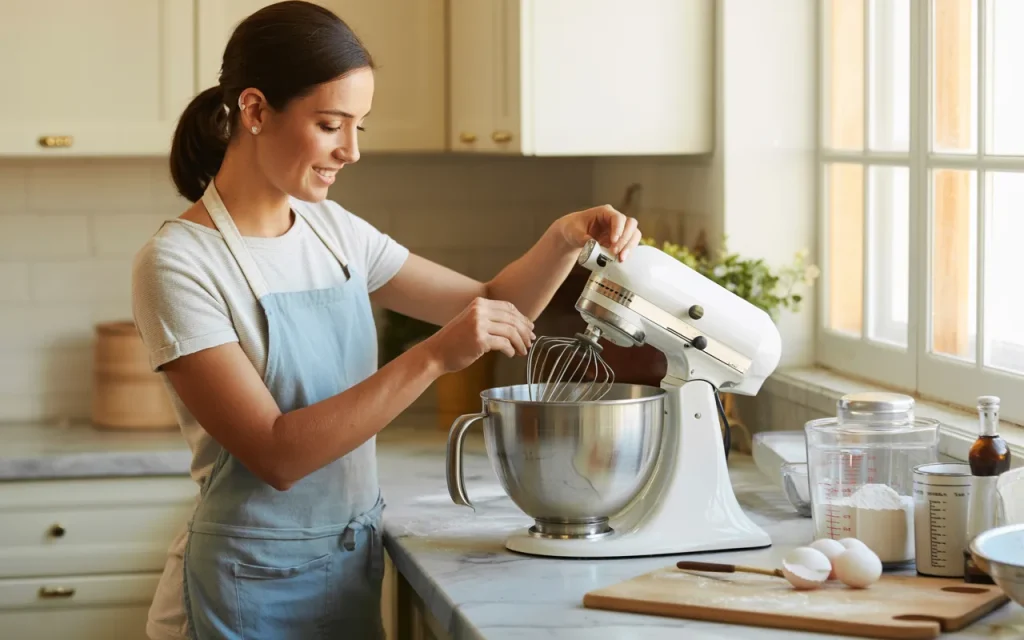
A stand mixer is a countertop machine that mixes, beats, and kneads food using a motor and attachments. Unlike a hand mixer, it stays in place and works while you guide the recipe. This frees your hands and gives more even results.
People use stand mixers for bread dough, cake batter, cookie dough, mashed potatoes, whipped cream, and more. The steady speed helps avoid uneven mixing, which can affect taste and texture.
Using a stand mixer also reduces hand strain. This matters for long baking days or for anyone with wrist or grip pain. Once you learn the basics, the mixer becomes a steady helper in your kitchen routine.
Main Parts of a Stand Mixer You Should Know
Before you start, it helps to know the parts by name. This makes recipes and guides easier to follow.
Key Stand Mixer Parts and Their Use
| Part Name | What It Does |
|---|---|
| Motor head | Holds the motor and controls speed |
| Mixing bowl | Holds ingredients while mixing |
| Speed control | Sets how fast the mixer runs |
| Attachment hub | Connects extra tools like pasta rollers |
Each mixer model may look a bit different, but these core parts stay the same. Knowing them helps you feel more in control.
Common Attachments and Their Jobs
| Attachment | Best Use |
|---|---|
| Flat beater | Cake batter, cookie dough |
| Dough hook | Bread and pizza dough |
| Wire whisk | Cream, egg whites |
Learning which attachment to use is a big step in learning How To Use A Stand Mixer well. Using the wrong one can lead to poor texture or overmixing.
Setting Up Your Stand Mixer the Right Way
Place your stand mixer on a flat, clean surface near a power outlet. Make sure there is space around it so it does not bump into other items while running.
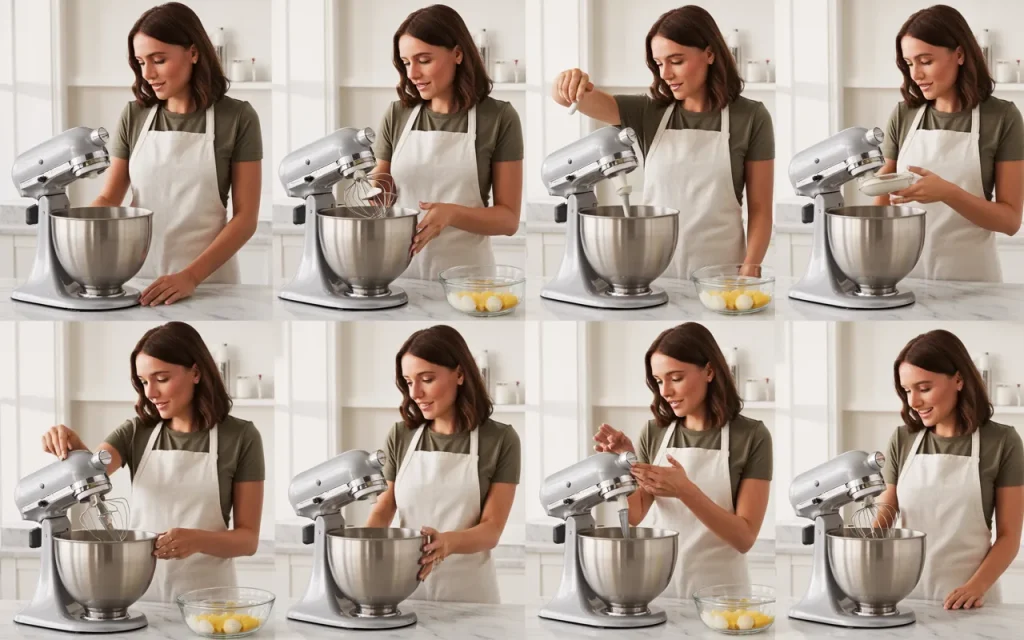
Lock the bowl into place. Most mixers click or twist to secure the bowl. Check that it does not move. Attach the right mixing tool by sliding it up and turning it until it locks.
Lower the motor head if your model lifts. Some mixers have a lever to lock it down. Always check that everything feels firm before you plug it in.
This setup step may feel slow at first, but it builds good habits and keeps your kitchen safe.
Understanding Speed Settings Without Stress
Most stand mixers have speed numbers from low to high. Each speed has a clear purpose.
Low speeds are for mixing dry items into wet ones. This helps avoid flour clouds. Medium speeds mix batters and doughs. High speeds whip air into cream or eggs.
Start slow and increase as needed. Jumping to high speed too fast can splash food out of the bowl. Learning How To Use A Stand Mixer includes learning patience with speed changes.
A simple rule is to start low and move up one step at a time. Watch the mixture and listen to the motor. It will tell you if it is working too hard.
Step by Step Guide to Basic Mixing
Let us walk through a simple example, like making cookie dough.
First, add softened butter and sugar to the bowl. Use the flat beater. Start on low speed until the sugar blends in. Then move to medium speed until the mix looks light.
Next, add eggs one at a time. Keep the speed low. Scrape the bowl sides with a spatula if needed. This helps mix everything evenly.
Finally, add dry items like flour. Add them slowly on low speed. Stop once the dough comes together. Overmixing can make cookies tough.
This process shows how calm and steady actions lead to better results when learning How To Use A Stand Mixer.
Using a Stand Mixer for Bread Dough
Bread dough needs a bit more care. The dough hook is your main tool here.
Add wet items first, then dry ones. Start on low speed until the dough forms a ball. Then move to a medium low speed. Let the mixer knead the dough for about five to seven minutes.
Watch the dough. It should pull away from the bowl sides but still feel soft. If it sticks, add a small amount of flour. If it looks dry, add a spoon of water.

“Good bread starts with touch and sight, even when a machine helps.”
Author: Daniel Moore
Knowing How To Use A Stand Mixer for bread helps you avoid overworked dough and gives you better rise and texture.
Safety Tips You Should Always Follow
Stand mixers are safe when used with care. Still, it is important to respect the machine.
Never put your hands into the bowl while the mixer is running. Turn it off and unplug it before changing attachments or scraping the bowl.
Keep long hair tied back and avoid loose sleeves. These small steps prevent accidents.
Do not overload the mixer. Follow the recipe limits for flour and dough weight. Overloading strains the motor and shortens the mixer life.
Safety habits build trust and comfort as you learn How To Use A Stand Mixer daily.
Cleaning and Care After Each Use
Cleaning right after use saves time later. Remove the bowl and attachment once done. Most bowls and tools are dishwasher safe, but check your manual.
Wipe the mixer body with a damp cloth. Never submerge it in water. Clean around the attachment hub where food can collect.
Dry all parts before putting them back. This keeps smells and rust away. Regular care keeps your mixer ready for the next task and supports long term use.
Common Mistakes and How to Fix Them
Many beginners face the same issues. These are easy to fix with a bit of awareness.
If ingredients stay stuck to the bowl sides, stop the mixer and scrape them down. If the mixer shakes, check that the bowl is locked.
If dough climbs up the hook, lower the speed. If batter splashes out, start slower next time.
Learning How To Use A Stand Mixer includes learning from small mistakes without stress.
Using Extra Attachments With Confidence
Many stand mixers allow extra tools like pasta rollers, grinders, or shredders. These attach at the hub on the front.
Always turn the mixer off before attaching tools. Follow the tool guide for speed and use.
Start with small batches until you feel steady. These tools add variety to your cooking and help you get more value from your mixer.
Real Life Uses Beyond Baking
A stand mixer is not just for sweets. You can mix meat for meatballs, mash cooked potatoes, shred cooked chicken, and mix dips.
The key is to use the right attachment and speed. Slow and steady works best for savory dishes.
Once you see these options, How To Use A Stand Mixer becomes part of daily cooking, not just special baking days.
“A kitchen tool earns its place by showing up every day.”
Author: Sarah Lin
Frequently Asked Questions
Can I leave my stand mixer running alone?
It is best to stay nearby. Short mixing times are fine, but long runs need your watch to avoid spills or motor strain.
How long can a stand mixer run at once?
Most home mixers handle ten minutes of mixing at a time. For heavy dough, give it breaks.
Do I need to scrape the bowl often?
Yes. Scraping helps even mixing and avoids dry spots.
Is a stand mixer hard to learn?
No. With calm steps and practice, anyone can learn How To Use A Stand Mixer with ease.
Can kids help use a stand mixer?
Kids can help add items or watch, but an adult should control the mixer.
Conclusion
A stand mixer can feel like a big step, but it becomes friendly with use. By learning the parts, setting it up well, and using the right speeds and tools, you gain confidence fast. This guide shared real steps, safety tips, and everyday uses based on hands on kitchen time.
Take your time. Start with simple recipes. Watch how food changes as it mixes. Each use builds trust. Soon, How To Use A Stand Mixer will feel natural, calm, and even fun. Your mixer will move from a quiet counter item to a trusted kitchen helper you reach for with ease.
Related posts
 How to Clean Ninja Coffee Maker Properly
If you want to know How to Clean Ninja Coffee Maker at home, this complete guide explains step by step methods for daily cleaning, deep cleaning,…
 Best Cookware For Beginners: A Simple Starter Guide
If you are searching for Best Cookware For Beginners, this guide gives clear answers, easy tips, and safe choices to help new cooks start with confidence…
 Which kitchen tools are essential for cooking
If you are wondering Which kitchen tools are essential for cooking , the answer includes nonstick pans, silicone utensils, stainless steel bowls, and dishwasher safe cookware…