
Difference between cooking and baking tools

A clear guide on the Difference between cooking and baking tools with simple examples, safety tips, and easy choices for every home kitchen.
Many people enjoy making food at home, yet they often mix up cooking tools and baking tools. This leads to confusion, wasted money, and sometimes poor results in the kitchen. The tools you use shape how food turns out. A frying pan works well for meals on the stove, while a baking tray belongs in the oven. Each tool has a purpose, and using the wrong one can change taste, texture, and even safety.
This article explains the Difference between cooking and baking tools in a clear and friendly way. It is written for beginners, home cooks, and anyone who wants better results without stress. The words are simple. The ideas are practical. Everything is based on real kitchen use.
As Julia Child once said,
“Cooking is like love. It should be entered into with abandon or not at all.”

Having the right tools helps that love grow in the kitchen.
What Are Cooking Tools
Cooking tools are items used to prepare food using direct heat. This heat usually comes from a stove, flame, or grill. These tools help you fry, boil, sauté, stir, and simmer food.
Common cooking tools include pans, pots, ladles, spatulas, and tongs. They are built to handle heat and frequent movement. Many cooking tools are made from metal, silicone, or heat safe plastic.
Cooking often involves quick changes. You taste, stir, flip, and adjust heat as you go. Cooking tools support this active style.
What Are Baking Tools
Baking tools are used to prepare food in the oven. Baking relies on steady heat and careful timing. Measurements matter a lot, and tools must be accurate.
Baking tools include measuring cups, mixing bowls, baking pans, rolling pins, and whisks. These tools help shape dough, mix batter, and hold food while it bakes.
Baking is slower than cooking. Once food is in the oven, you wait. Baking tools support careful prep and steady results.
Core Difference between Cooking and Baking Tools
The Difference between cooking and baking tools starts with heat use. Cooking tools face direct heat and quick changes. Baking tools face steady heat for longer times.
Cooking tools help with movement. Baking tools help with precision.
Cooking allows adjustments during the process. Baking needs correct steps before the oven starts.
This core contrast shapes how tools are built and used. Knowing this saves time and avoids mistakes.
Heat Exposure and Tool Design
Cooking Tool Heat Needs
Cooking tools must handle high heat and fast changes. Frying pans and saucepans need thick bases. This helps spread heat evenly.
Handles on cooking tools are often long. This keeps hands away from heat. Materials must resist warping and melting.
Baking Tool Heat Needs
Baking tools face even heat from all sides. They must hold shape and size.
Baking pans are often made from metal, glass, or ceramic. These materials help food bake evenly.
This shows a clear Difference between cooking and baking tools based on heat exposure.
Materials Used in Cooking Tools
Cooking tools use materials that respond fast to heat. Stainless steel, cast iron, aluminum, and copper are common.
Utensils often use silicone or wood to avoid scratching pans.
Material choice affects taste, safety, and tool life. A good pan lasts years with care.
Materials Used in Baking Tools
Baking tools need materials that support steady results. Glass and ceramic allow you to see browning. Metal pans help with crisp edges.
Silicone molds are popular for easy release.
Measurement tools are often plastic or metal for accuracy.
These material choices highlight the Difference between cooking and baking tools in daily use.
Measurement Accuracy and Its Role
Cooking allows flexible measurement. A pinch of salt or splash of oil often works fine.
Baking needs exact amounts. Too much flour or too little sugar can ruin texture.
Baking tools include measuring spoons, scales, and cups made for accuracy.
This focus on precision is a key Difference between cooking and baking tools.
Speed and Timing Differences
Cooking is often fast. You can fix mistakes as you go. Baking is slow and fixed. Once in the oven, changes are hard. Cooking tools help with quick action. Baking tools help with setup. This timing gap affects tool choice and use.
Common Cooking Tools and Uses
| Tool Name | Main Use |
|---|---|
| Frying pan | Frying and sauté |
| Saucepan | Boiling and simmer |
| Spatula | Flipping food |
| Ladle | Serving soup |
This table shows tools built for direct heat and movement.
Common Baking Tools and Uses
| Tool Name | Main Use |
|---|---|
| Baking tray | Cookies and snacks |
| Cake pan | Cakes and breads |
| Measuring cups | Accurate amounts |
| Whisk | Mixing batter |
These tools support careful prep and steady heat.
Skill Sets Supported by Each Tool Type
Cooking tools support tasting and adjusting. You learn by smell, sound, and sight.
Baking tools support planning and patience. You follow steps and wait.
Different skills grow with each tool set. This shows another Difference between cooking and baking tools that shapes learning.
Storage Needs and Kitchen Space
Cooking tools are often stored near the stove. Easy reach matters.
Baking tools are often stored together. This helps with full recipe prep.
Some tools overlap, but storage habits differ.
Space planning improves safety and flow.
Cleaning and Care Differences
Cooking tools often get greasy. They need regular washing.
Baking tools may have baked on residue. Soaking helps.
Nonstick cooking tools need gentle care. Baking pans may need liners.
Care habits differ because use differs.
Safety Considerations
Cooking tools face open flames and hot oil. Burns are a risk.
Baking tools face hot ovens and heavy pans.
Both need care, but risks differ.
Using the right tool lowers injury risk and improves comfort.
Tool Overlap and Shared Items
Some tools work for both. Mixing bowls, knives, and spoons are shared.
Still, most tools have a main role.
Knowing where overlap ends avoids misuse.
This helps clarify the Difference between cooking and baking tools without confusion.
Cost and Buying Choices
Cooking tools are often bought first. Baking tools come later.
A good pan matters more than many cheap ones.
Baking tools are often lower cost but need accuracy.
Smart buying starts with knowing your cooking style.
Beginner Tips for Choosing Tools
Start with basics. One pan, one pot, a baking tray, and measuring cups.
Add tools as skills grow.
Avoid buying too much at once.
This simple start respects the Difference between cooking and baking tools and builds confidence.
Cultural and Regional Use
Some cultures cook more than they bake. Others bake daily.
Tool sets reflect food habits.
Knowing local food styles helps choose tools wisely.
This adds depth to the Difference between cooking and baking tools across homes.
“Good cooking is honest, sincere, and simple.”
Common Myths About Kitchen Tools
Some think one tool can do all jobs. This leads to poor results. Others think baking tools are fancy. Many are simple. Clearing myths helps smarter choices.
Environmental and Material Safety
Heat safe tools last longer and reduce waste. Avoid damaged tools. Choose quality over quantity. Responsible choices help kitchens and homes.
How Professionals Use Tools
Chefs use cooking tools daily. Bakers rely on baking tools. Each group respects tool roles. Professional habits teach home cooks good lessons. This shows the Difference between cooking and baking tools in real kitchens.
“Baking is science.” Tools support that science through accuracy and care.

Frequently Asked Questions
Can I use cooking tools for baking?
Some can be shared, but most baking needs special pans and measures.
Why do baking tools need exact sizes?
Size affects heat flow and results.
Are baking tools safer than cooking tools?
Both have risks. Proper use matters most.
Do I need many tools to start?
No. Start small and grow as needed.
Can one pan work for many tasks?
Some pans are flexible, but each tool has limits.
Practical Home Kitchen Setup
A balanced kitchen has both tool types.
Keep cooking tools near heat sources.
Keep baking tools near prep areas.
This layout saves time and effort.
Quote on Kitchen Comfort
Ina Garten once said,
“The kitchen is the heart of the home.”
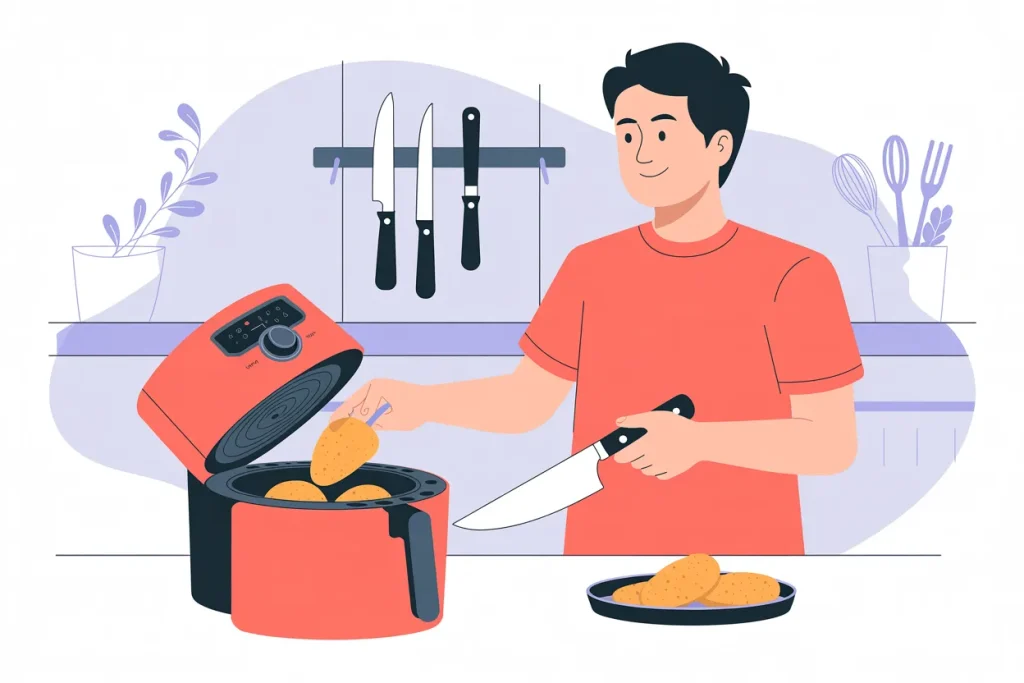
Good tools keep that heart happy.
Final Thoughts on Tool Choice
The Difference between cooking and baking tools shapes how food turns out. Cooking tools support action and change. Baking tools support care and patience. Knowing this helps avoid frustration. It also builds skill and joy in the kitchen. Tools do not need to be costly. They need to fit your style.
Conclusion
Understanding the Difference between cooking and baking tools helps every home cook make better food with less stress. Cooking tools handle direct heat and quick action. Baking tools support steady heat and exact steps. Bach tool has a role. Each role matters.
Related posts
 Which kitchen tools are essential for cooking
If you are wondering Which kitchen tools are essential for cooking , the answer includes nonstick pans, silicone utensils, stainless steel bowls, and dishwasher safe cookware…
 How to Choose the Right Vegetable Chopper
If you are wondering How to Choose the Right Vegetable Chopper, this guide explains blade types, size, material, safety features, and cleaning ease so you can…
 Best Portable Dishwasher 2026
Looking for the Best Portable Dishwasher 2026? This detailed guide reviews top models, features, pros and cons, pricing, and expert tips to help you choose the…