
How to Repair Your Home Step by Step for Beginners
Learn how to repair your home with clear, practical steps that answer common repair problems, save money, and help you fix issues safely and confidently.
Learning how to repair your home is one of the most useful life skills you can build. Small repairs appear in every house, whether it is a leaking tap, a cracked wall, or a door that will not close right. Many people feel stressed when something breaks, but most home repairs are simpler than they seem. With the right steps, basic tools, and a calm approach, you can fix many problems without calling a professional.
I have worked on my own home for years, fixing things little by little. I learned through mistakes, simple guides, and patience. Home repair is less about talent and more about care, safety, and practice. This guide is written to help real people solve real problems. It uses easy words, clear steps, and friendly advice so anyone can follow along.
This article explains how to repair your home from planning to finishing. You will learn how to inspect problems, fix common issues, choose tools, and avoid costly errors. Each section focuses on practical help and honest guidance you can trust.
“A home stays strong when its owner learns to care for it with patience and steady hands.”
Author: Michael Turner
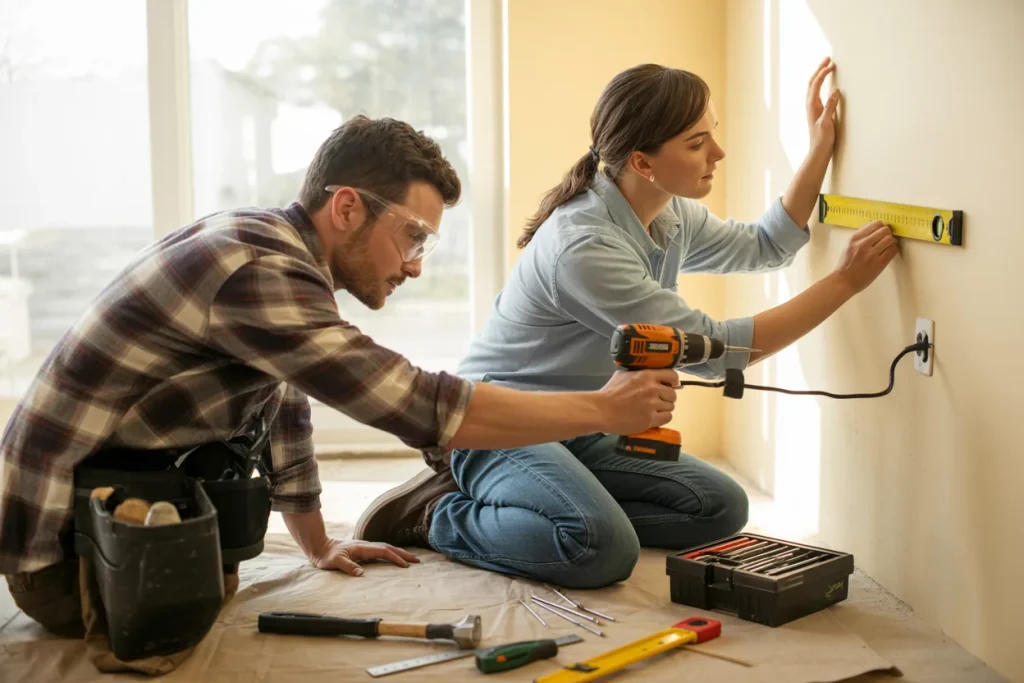
Why Learning Home Repair Matters
Repair skills give you control over your space. You save money, feel confident, and reduce stress. Even small fixes improve comfort and safety. A loose tile or broken switch may look minor, but it can cause bigger damage later.
Home repair also helps you understand how your house works. When you know where pipes run or how walls are built, future problems feel less scary. This knowledge builds trust in your own ability.
Many people think home repair needs special training. That is not true for most tasks. With basic learning, you can handle many jobs on your own. This guide shows how to repair your home in a clear and calm way.
Basic Safety Rules Before You Start
Safety always comes first. Home repair can involve tools, water, electricity, and height. Taking simple steps keeps you safe and avoids accidents.
Key Safety Tips
-
Turn off power before electrical work.
-
Shut off water before plumbing fixes.
-
Wear gloves and eye protection.
-
Keep children and pets away.
-
Use stable ladders on flat ground.
Never rush a repair. Slow work prevents injury and damage.
“Safety in home repair is not fear, it is respect for the work and the space.”
Author: Laura Bennett
Essential Tools Every Homeowner Should Have
You do not need many tools to begin. A small kit can handle most basic repairs.
Basic Home Repair Tool List
| Tool Name | Common Use |
|---|---|
| Hammer | Nails, light demolition |
| Screwdriver set | Screws, fixtures |
| Adjustable wrench | Nuts, bolts |
| Tape measure | Measuring spaces |
| Utility knife | Cutting materials |
Keep tools clean and stored safely. Quality matters more than quantity.
How to Inspect Problems Around Your Home
Before fixing anything, you must inspect the problem. Look closely and ask simple questions. Where is the damage? What caused it? How long has it been there?
Walk around your home once a month. Check walls, ceilings, floors, doors, windows, and pipes. Early detection saves time and money. Small cracks or stains often point to larger issues.
Learning how to repair your home starts with careful observation. Do not guess. Look, touch, and test safely.
How to Repair Your Home Plumbing Issues
Plumbing problems are common and often easy to fix. Dripping taps, slow drains, and running toilets waste water and raise bills.
Fixing a Leaky Faucet
A leaky faucet usually needs a washer or cartridge replacement. Turn off the water. Remove the handle. Replace the worn part. Reassemble and test.
Common Plumbing Problems and Fixes
| Problem | Simple Fix |
|---|---|
| Leaky faucet | Replace washer |
| Slow drain | Clean trap |
| Running toilet | Adjust flapper |
Always keep a towel and bucket nearby. Water spills are common during plumbing work.
How to Repair Your Home Electrical Basics
Electrical repairs need care and respect. Simple tasks like changing outlets or switches are possible if done safely.
Turn off the power at the breaker. Use a voltage tester to confirm. Replace parts carefully and follow wiring colors.
If you smell burning or see sparks, stop and call a professional. Knowing limits is part of learning how to repair your home safely.
Wall and Ceiling Repairs Made Simple
Cracks and holes appear over time. Furniture bumps, nail holes, and settling cause damage. Fixing walls improves appearance and value.
Fixing Small Wall Holes
Clean the area. Apply filler with a putty knife. Let it dry. Sand smooth. Paint to match.
Larger cracks may need tape and joint compound. Take your time for smooth results.
“A smooth wall reflects patient effort more than skill.”
Author: Daniel Ruiz
Floor Repair Tips for Common Problems
Floors take daily wear. Loose tiles, squeaky boards, and scratched surfaces are common.
For squeaky floors, locate the noise and secure boards with screws. For loose tiles, remove old adhesive and reapply tile glue. Scratches on wood floors may fade with polish or filler.
These repairs improve safety and comfort while extending floor life.
Door and Window Repairs You Can Handle
Doors that stick or windows that rattle are easy to fix. Often the cause is loose screws, worn hinges, or weather changes.
Tighten hardware first. If doors rub, sand the edge lightly. For windows, replace worn seals to stop drafts.
These fixes help energy use and home comfort.
Roof and Gutter Maintenance Basics
Roof damage can cause serious problems. While major repairs need professionals, small tasks help prevent damage.
Clean gutters twice a year. Remove leaves and dirt. Check for loose shingles from the ground.
Water should flow away from the house. Proper drainage protects walls and foundations.
How to Plan Home Repairs on a Budget
Planning saves money and time. List repairs by urgency. Fix safety issues first. Cosmetic fixes can wait.
Repair Priority Guide
| Priority Level | Example |
|---|---|
| High | Electrical faults |
| Medium | Leaky taps |
| Low | Paint touch ups |
Set a small repair fund. Buy tools slowly as needed.
Mistakes to Avoid During Home Repairs
Many problems come from rushing or skipping steps. Avoid these common errors.
-
Ignoring safety steps
-
Using wrong tools
-
Skipping instructions
-
Over tightening parts
-
Forgetting to test work
Learning how to repair your home means learning from mistakes without repeating them.
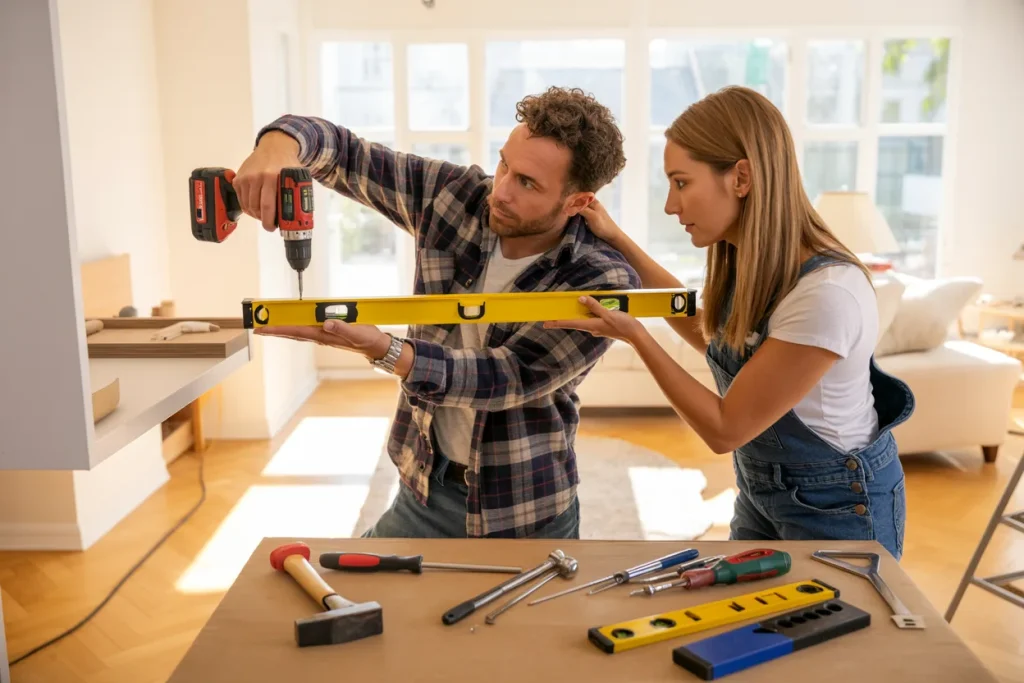
When to Call a Professional
Some repairs need expert help. Major electrical work, gas lines, and roof structure issues are best left to professionals.
Calling for help is smart, not weak. Knowing limits protects your home and your safety.
Frequently Asked Questions
Can beginners really learn how to repair your home?
Yes. Many repairs are simple with clear steps. Start small and build confidence.
How much money can home repair save?
Small fixes can save hundreds each year by preventing bigger damage.
What is the first repair skill to learn?
Basic plumbing and wall patching are good starting points.
How often should I inspect my home?
Once a month is ideal. Seasonal checks help too.
Is home repair time consuming?
Most small repairs take less than an hour once you learn the steps.
Conclusion
Learning how to repair your home gives freedom, confidence, and peace of mind. Every repair teaches you more about your space. With patience, safety, and practice, home repair becomes a useful habit instead of a stressful task.
You do not need to fix everything at once. Start with small repairs. Use simple tools. Follow clear steps. Over time, your skills grow and your home stays strong.
Related posts
 Which kitchen tools are essential for cooking
If you are wondering Which kitchen tools are essential for cooking , the answer includes nonstick pans, silicone utensils, stainless steel bowls, and dishwasher safe cookware…
 How to Choose the Right Vegetable Chopper
If you are wondering How to Choose the Right Vegetable Chopper, this guide explains blade types, size, material, safety features, and cleaning ease so you can…
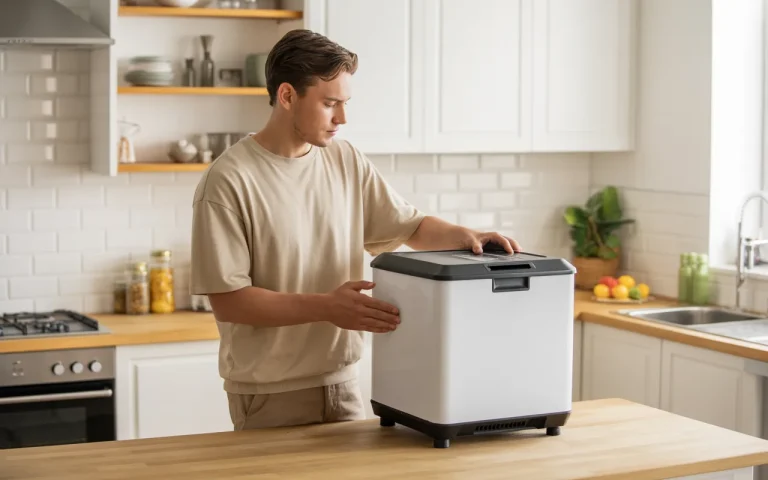 Best Portable Dishwasher 2026
Looking for the Best Portable Dishwasher 2026? This detailed guide reviews top models, features, pros and cons, pricing, and expert tips to help you choose the…