
Home Renovation Tools for Beginners
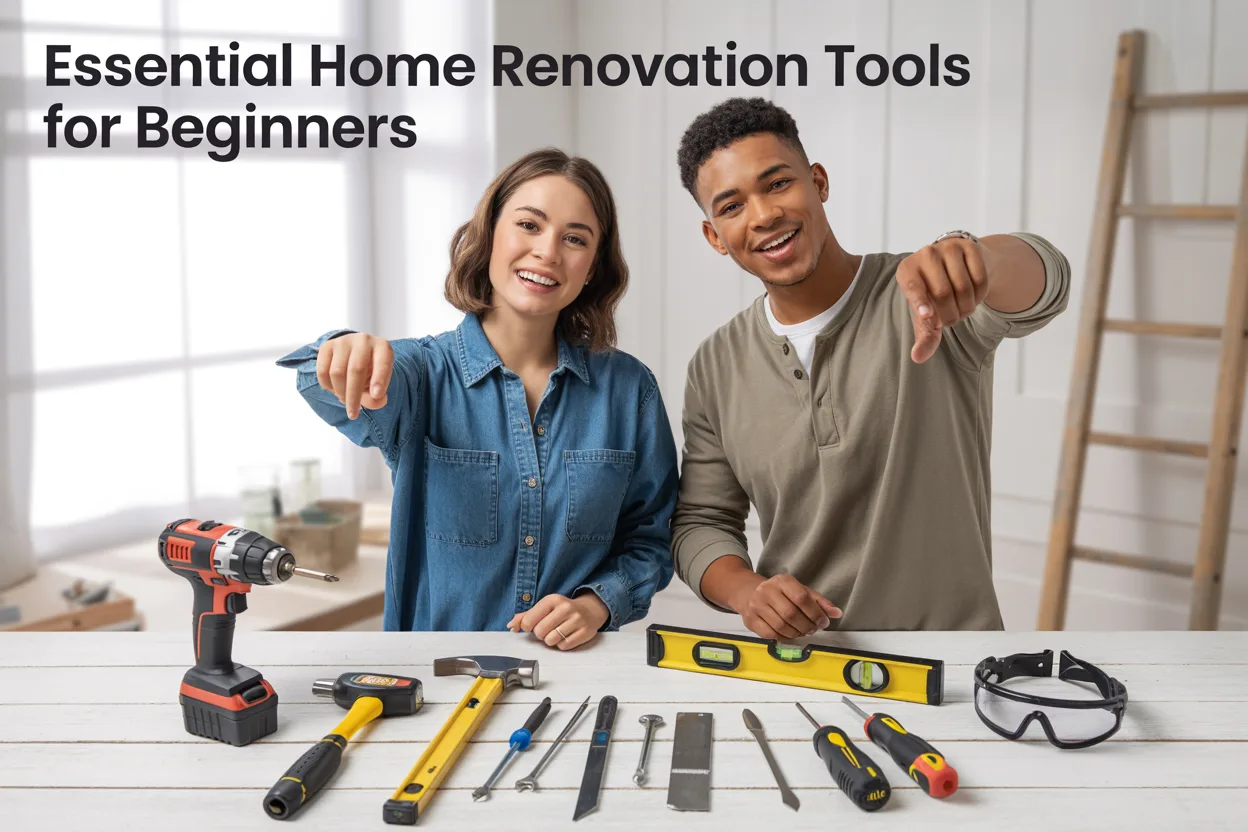
Home renovation tools for beginners are essential for tackling DIY projects. Learn about the must-have tools and tips to get started in this guide.
Home renovation is an exciting way to refresh your living space and add value to your home. Whether you’re planning to remodel a single room or take on a larger project, having the right tools is key to achieving professional-looking results. For beginners, the world of home renovation tools can seem overwhelming, but with the right guidance and a few essential tools, you can handle most projects with ease. This guide will help you identify the must-have home renovation tools for beginners and provide useful tips on how to get started with your first DIY project.
Why Home Renovation Tools for Beginners Matter
When starting out with home renovations, having the proper tools is vital. The right tools ensure you complete tasks more efficiently, safely, and with better results. For beginners, investing in a good set of tools can be a game-changer, saving you time and helping you avoid frustration. From simple repairs to full remodels, the tools you use will define the quality of your work. Having access to the right tools also helps you learn new skills as you progress in your home renovation journey.
“Success in home improvement starts with having the right tools in hand. From the basics to the more advanced, each tool has a purpose.” – Anonymous
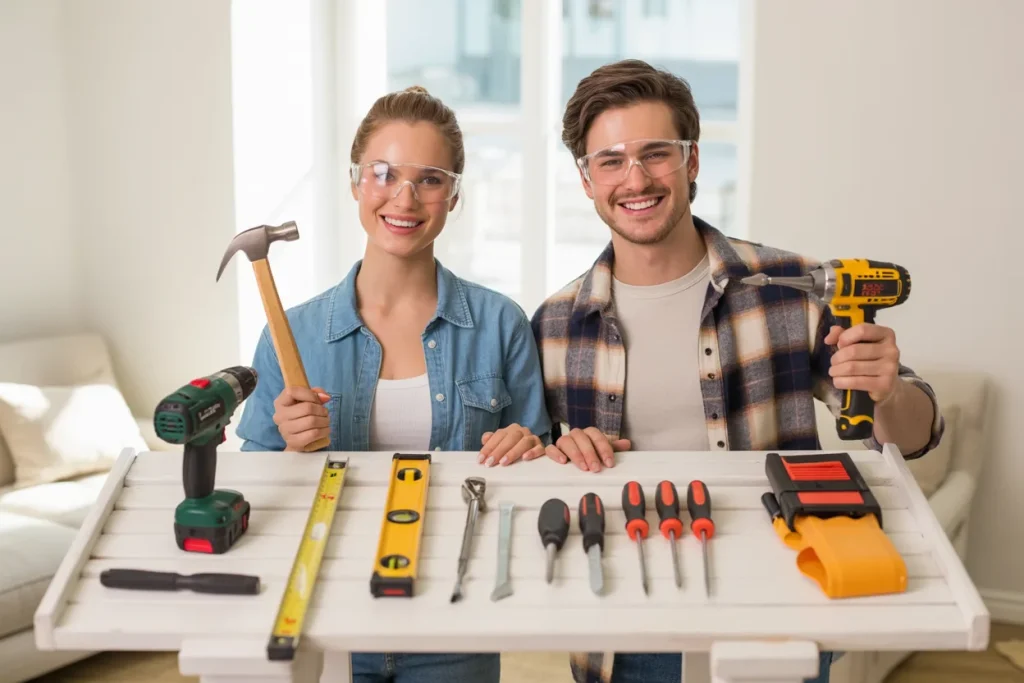
Essential Home Renovation Tools for Beginners
Whether you’re planning to update your kitchen, install new flooring, or fix leaky plumbing, these tools are essential for any home renovation project. Here is a list of the top home renovation tools for beginners that will set you up for success.
Basic Tools You Can’t Do Without
A solid foundation of tools will make your renovation process smooth and effective. These basic tools are necessary for almost every home improvement task.
Hammer: The hammer is the go-to tool for any project that involves nails. Whether you’re hanging pictures, assembling furniture, or completing minor repairs, a hammer will be your best friend.
Measuring Tape: Accurate measurements are crucial in home renovations, and a measuring tape is a must-have tool. It will help you measure spaces, furniture, and materials accurately to avoid mistakes that could lead to waste.
Screwdrivers: A set of screwdrivers, including both flathead and Phillips head, is essential for tightening or loosening screws. Whether you’re assembling furniture or installing fixtures, a good screwdriver set is indispensable.
Power Drill: A power drill is one of the most versatile tools you can own. It’s used for drilling holes and driving screws. You can use it for everything from installing shelves to hanging curtains or assembling furniture.
Utility Knife: A utility knife comes in handy when you need to cut through materials like drywall, carpeting, or even packaging. It’s one of the most versatile tools in your toolkit.
| Tool | Purpose |
|---|---|
| Hammer | Driving nails, assembling furniture, small repairs |
| Measuring Tape | For accurate measurements of spaces and materials |
| Screwdriver Set | Tightening screws and furniture assembly |
| Power Drill | Drilling holes and driving screws |
| Utility Knife | Cutting materials like drywall, plastic, and carpets |
Power Tools for Beginners
As you become more comfortable with home renovation, adding a few power tools to your toolkit can save you time and effort.
Circular Saw: A circular saw is ideal for cutting wood, plywood, and other materials. This tool will be helpful when working on larger projects, such as building furniture or installing flooring.
Jigsaw: A jigsaw is a more precise cutting tool used for making curved cuts in wood, metal, or plastic. It’s perfect for cutting shapes or patterns that a circular saw can’t handle.
Sander: When it comes to refinishing furniture, walls, or floors, a sander is an essential tool. Sanders smooth out rough surfaces and help achieve a professional finish on wood and other surfaces.
Drill/Driver Combo: A drill/driver combo is a versatile power tool that can both drill holes and drive screws. Having one tool that serves two purposes helps minimize your investment and saves space in your toolbox.
Measuring and Marking Tools
Measuring tools are crucial for ensuring accuracy, which is key in any home renovation project. Here are some important tools to consider.
Laser Level: A laser level is a more advanced tool that projects a level line onto walls or other surfaces. It’s perfect for tasks such as hanging pictures, installing shelves, or ensuring that your floors are level.
Chalk Line: A chalk line is a simple yet effective tool for marking straight lines over long distances. It’s especially helpful when installing flooring or when working with large areas.
Carpenter’s Square: A carpenter’s square is used for checking and marking right angles, ensuring your cuts are precise. This tool is essential for any framing or structural work.
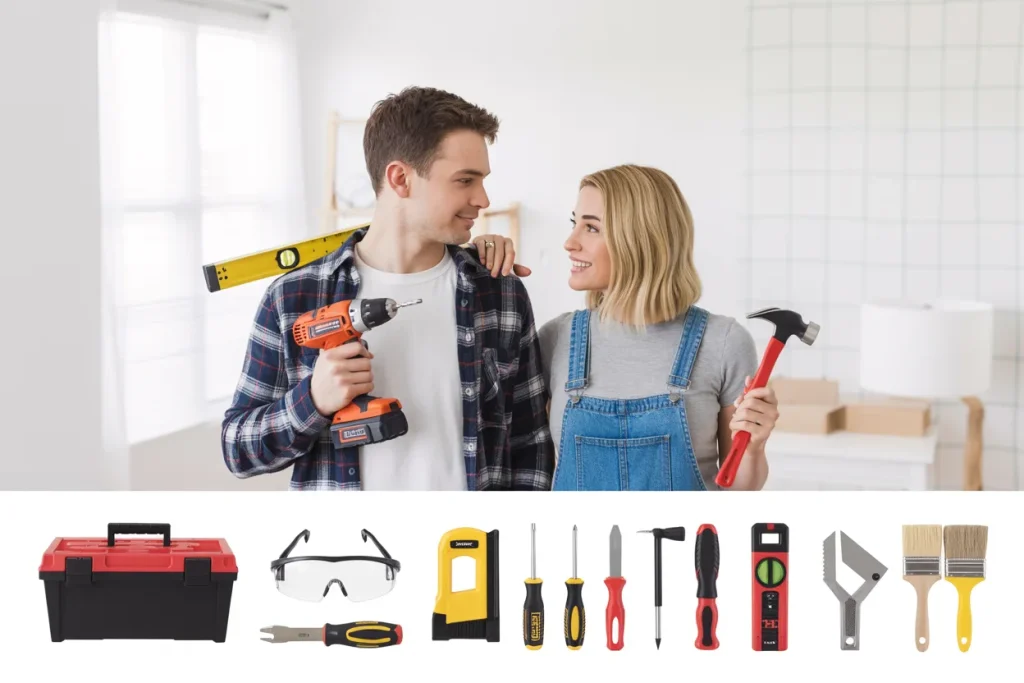
Safety Equipment for Beginners
Renovating your home can be a messy job, and safety should always be a top priority. Here are some essential safety tools.
Safety Glasses: Always protect your eyes while working with tools, especially power tools. Safety glasses will shield your eyes from flying debris and dust.
Work Gloves: Work gloves protect your hands from injury when handling tools, sharp objects, or rough materials. They also provide better grip while working.
Dust Mask: If you’re working with materials that generate dust, such as drywall or sawdust, a dust mask is important for keeping your lungs safe.
Planning Your First Renovation Project
Now that you know the essential tools for beginners, it’s time to plan your first project. Start with something simple, like painting a room or assembling new furniture. This will help you get familiar with your tools and gain confidence in your abilities.
Choose the Right Project
As a beginner, start small. Choose a project that matches your skill level and available time. For example, you could repaint a room or install new light fixtures. These projects are simple and can be done with the tools mentioned above.
Create a Budget
Before you begin, estimate how much the project will cost. Include costs for tools, materials, and any professional help if needed. A well-planned budget helps prevent overspending and ensures you stay within your limits.
Prepare Your Space
Clear the space where you will be working. For larger projects, like installing flooring or drywall, make sure the area is clean and free of obstacles. This will create a safer environment and help you work more efficiently.
Home Renovation Tools for Beginners: Mistakes to Avoid
While home renovation can be a fun and rewarding experience, it’s important to avoid some common mistakes that beginners often make. By learning from others’ experiences, you can avoid frustration and achieve better results.
Overestimating Your Skills
Don’t take on projects that are beyond your skill level. Start small, and as you gain experience, you can work your way up to more complex tasks. Overestimating your skills can lead to mistakes that may cost more to fix than if you had hired a professional in the first place.
Skipping Safety Gear
Safety should always come first. It might seem like an unnecessary step, but wearing safety glasses, gloves, and a dust mask is essential to protecting yourself. Skipping safety gear could lead to serious injuries.
Not Having the Right Tools
Having the right tools for the job is crucial. If you try to cut corners by using inappropriate tools, your project could suffer, and you might cause more damage to your home. Always use the proper tool for the job.
Ignoring Measurements
Accurate measurements are essential in any home renovation project. Even a small mistake can lead to wasted materials and costly corrections. Always measure twice before cutting or installing anything.
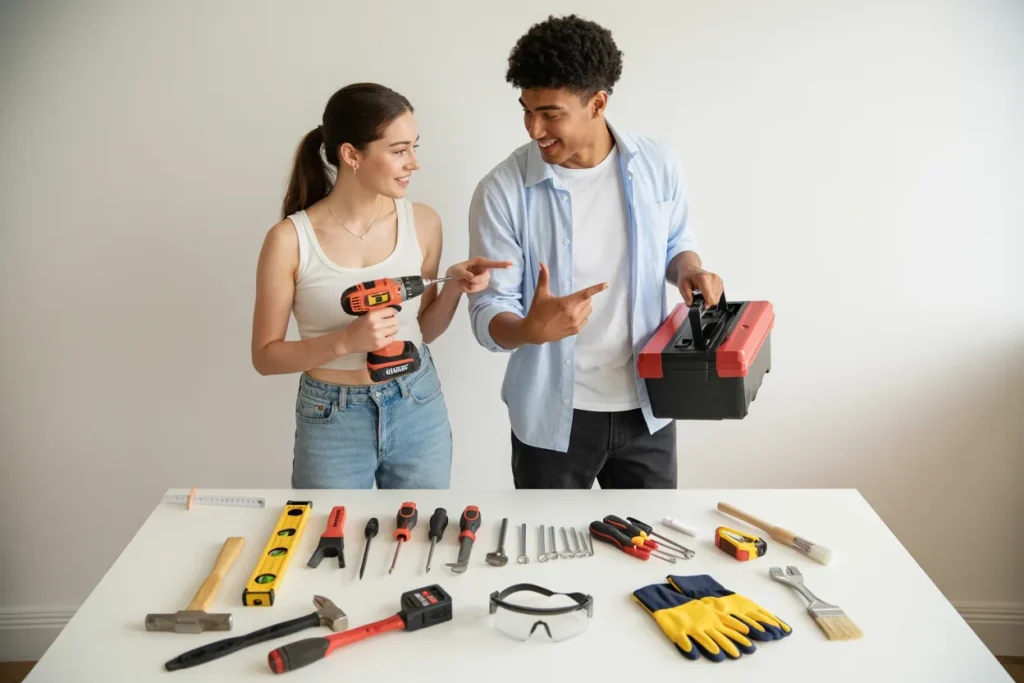
Frequently Asked Questions
What tools do I need for my first home renovation project?
For beginners, essential tools include a hammer, measuring tape, screwdrivers, a power drill, and utility knife. As you progress, you can add more advanced tools like a circular saw and sander.
How much should I budget for home renovation tools?
The cost of tools depends on the type and quality of tools you purchase. A basic toolkit for beginners might cost between $100 and $300. If you need power tools, expect to spend a bit more.
Can I renovate my home without professional help?
Many home renovation projects can be done DIY if you have the right tools and skills. However, for complex tasks like plumbing or electrical work, it’s best to consult with a professional.
How can I make sure my measurements are accurate?
Using tools like a laser level, carpenter’s square, and measuring tape can help you ensure your measurements are accurate. Always double-check your measurements before making cuts.
How do I keep myself safe while renovating?
Always wear protective gear like safety glasses, gloves, and a dust mask. Follow safety instructions for tools, and never rush through tasks. Taking safety seriously reduces the risk of accidents.
Conclusion
Home renovation is an enjoyable and fulfilling way to improve your living space. For beginners, it’s important to start with the right tools and projects that match your skill level. With a solid set of home renovation tools for beginners, careful planning, and some patience, you can achieve great results.
Remember that home renovation doesn’t have to be an overwhelming task. Start small, use the proper tools, and take your time. As you gain experience, you can take on bigger and more complex projects. Before long, you’ll have the confidence and skills to tackle any home renovation challenge.
Related posts
 Which kitchen tools are essential for cooking
If you are wondering Which kitchen tools are essential for cooking , the answer includes nonstick pans, silicone utensils, stainless steel bowls, and dishwasher safe cookware…
 How to Choose the Right Vegetable Chopper
If you are wondering How to Choose the Right Vegetable Chopper, this guide explains blade types, size, material, safety features, and cleaning ease so you can…
 Best Portable Dishwasher 2026
Looking for the Best Portable Dishwasher 2026? This detailed guide reviews top models, features, pros and cons, pricing, and expert tips to help you choose the…