
what power tools are made in usa
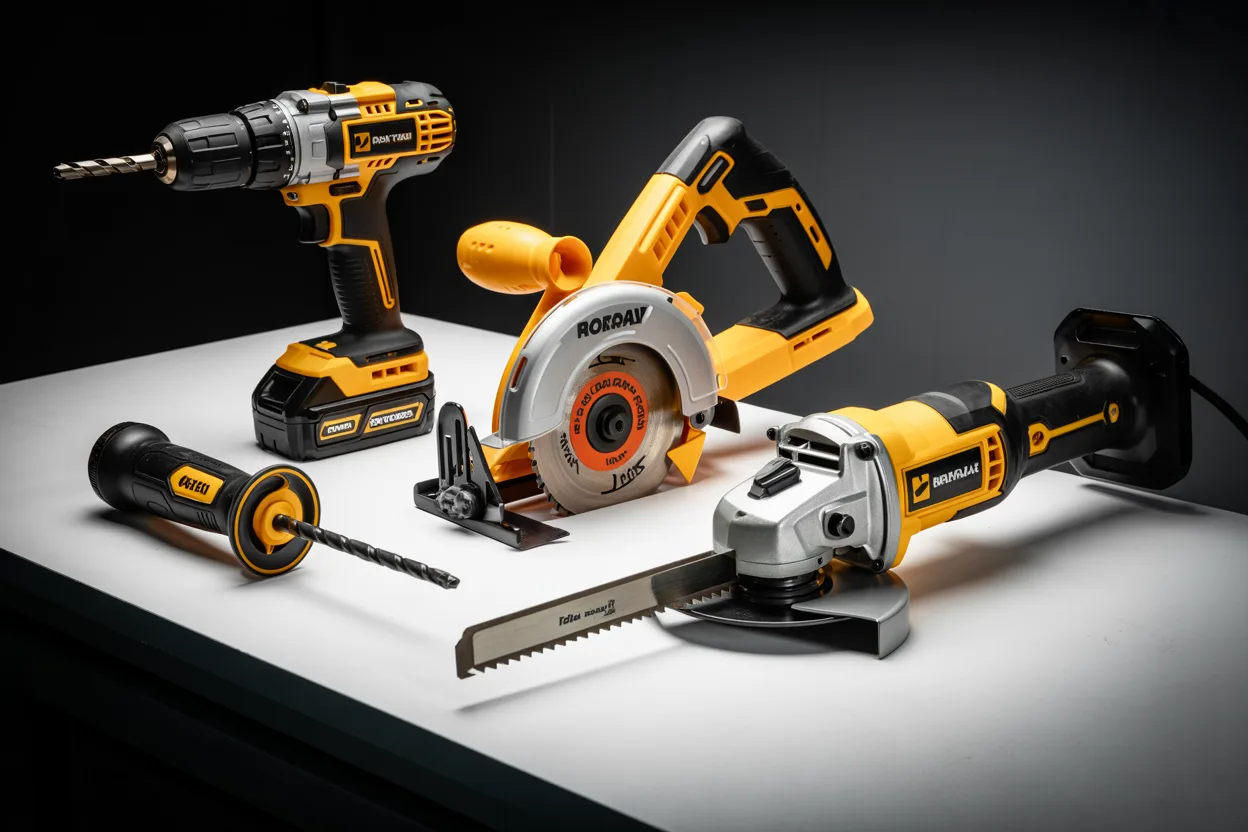
This clear guide explains what power tools are made in USA, lists trusted brands, shows factory locations, and helps buyers choose American-made tools with confidence and care.
Many buyers ask a simple question before spending their money. They want to know what power tools are made in USA. This question comes from pride, trust, and the wish to support local jobs. It also comes from real work needs. Builders, mechanics, and home users want tools that last, feel solid, and offer steady results day after day.
The truth is mixed. Some tools are fully built in the United States. Some are assembled here with parts from other places. Some brands keep only a few lines at home while others focus on special items. Labels can feel confusing, and ads can sound vague. This guide clears the fog with plain words and honest detail.
You will learn which brands still make tools in the country, what the labels mean, and how to spot real claims. You will also see tables that list tools and states where work happens. The goal is simple. Help you decide with calm facts, not noise.
“People trust tools that come from places they know and skills they respect.”
Author: Daniel Brooks
Why American-Made Tools Matter to Buyers
Buyers care about origin for many reasons. Jobs stay local. Skills stay strong. Service feels closer. Many users also feel that home-built tools show steady quality because the teams who make them also use them. Another reason is safety. Clear standards and strong checks help reduce defects. This matters in shops and homes alike. A drill or saw that works as expected protects hands and time. Some buyers want faster service. Tools made close to home often have quicker parts supply and support. This lowers downtime on job sites and keeps projects moving.These reasons explain why many still search for what power tools are made in USA before buying.
Understanding Labels on Tool Packaging
Labels can confuse even smart buyers. Three phrases appear often. Each has a different meaning.
Made in USA
This means all or almost all parts and labor come from the United States. The rule is strict. Few tools meet it fully.
Assembled in USA
This means final assembly happens here, but parts may come from other places. This still supports local jobs.
Built with Global Materials
This phrase means parts come from many countries, and assembly may happen anywhere. Knowing these terms helps buyers read boxes with care. It also helps avoid false hopes.
Major Brands That Still Make Tools in the USA
Some brands keep real roots at home. They may not make every tool here, but they keep key lines local.
DeWalt
DeWalt runs plants in several states. They focus on drills, drivers, and hand tools. Their Made in USA line uses both local and global parts, with assembly done in the country.
Milwaukee Tool
Milwaukee keeps heavy focus on design and testing in the United States. They also make select tools and accessories locally. Hand tools and storage see more home production than cordless units.
Makita
Makita has a strong plant in Georgia. This site makes some cordless tools and batteries. It also handles assembly and testing.
Ridgid
Ridgid makes certain plumbing and shop tools in Ohio. These items often carry clear origin labels.
Table: Brands and USA Production Focus
| Brand | USA Production Type | Main States |
|---|---|---|
| DeWalt | Assembly and select tools | NC, SC, TN |
| Milwaukee | Hand tools, storage | WI, MS |
| Makita | Assembly, batteries | GA |
| Ridgid | Specialty tools | OH |
This table shows that local work still matters. It also shows limits. Most brands mix sources.
Types of Tools Most Likely Made in USA
Not every tool type fits local production. Some need rare parts or large plants. Others fit well.
Handheld Cordless Tools
Few cordless units are fully built at home. Some assembly happens locally. Batteries often come from abroad.
Hand Tools and Accessories
Pliers, tape measures, and tool boxes see more local work. These items need less complex parts.
Specialty and Industrial Tools
Pipe tools, presses, and large shop tools often stay local due to skill needs and low volume. This mix explains why buyers often find answers by tool type, not just brand.
What States Lead Tool Manufacturing
Certain states stand out due to skill base and supply chains.
North Carolina and South Carolina
These states host major plants. They support assembly and testing.
Wisconsin
Strong metal work history supports tool and storage production.
Ohio
Known for industrial tools and shop equipment.
Georgia
Home to battery and cordless assembly plants.
Table: States and Tool Focus
| State | Tool Focus |
|---|---|
| North Carolina | Assembly lines |
| Wisconsin | Hand tools, storage |
| Ohio | Industrial tools |
| Georgia | Batteries, cordless |
These states show where local work stays strong.
How to Verify a Tool’s Origin
Buyers should check more than ads.
-
Read the package label
-
Check the brand website
-
Look for FTC guidance on claims
-
Ask sellers for clear details
If the claim feels vague, it likely is. Clear labels matter.
Price and Value of USA-Made Tools
Many buyers worry about cost. Local tools often cost more. This reflects wages, safety rules, and smaller runs. Yet value lasts longer. Many users report fewer failures and better support. Over time, this can balance the price gap. The key is matching use to need. A pro may gain more value than a light home user.
Buyer Tips for Choosing the Right Tool
Focus on use first. Then check origin.
-
Match tool to task
-
Check warranty and service
-
Read real user reviews
-
Confirm origin labels
These steps keep choices calm and smart.
“A good tool earns trust by how it works, not just where it comes from.”
Author: Sarah Lin
Myths About American-Made Tools
Some myths linger. One myth says all USA tools are perfect. This is false. Quality varies everywhere. Another myth says no tools are made here. This is also false. Many still are. The truth sits in the middle. Buyers need facts, not slogans.
Future of Tool Making in the USA
Local making faces pressure from costs and supply chains. Still, interest grows. Buyers ask more questions. Brands respond with clearer labels and new plants. Training programs and local support help keep skills alive. While full shifts back home may take time, steady steps show promise.
How Professionals View USA-Made Tools
Many tradespeople share mixed views. They value durability and service. Origin matters, but function matters more. Some keep a mix. They choose local tools for daily use and others for light tasks. This balance fits real work needs.
Environmental Impact of Local Production
Shorter shipping cuts fuel use. Local plants also follow clear rules on waste and safety. This appeals to buyers who care about impact.
Common Questions from Buyers
Are any tools fully made in the USA?
Yes. Some hand tools and specialty items meet strict rules.
Do USA-assembled tools count?
They support local jobs, even if parts come from elsewhere.
Why do labels feel unclear?
Rules allow some flexibility. Brands use broad terms.
Are USA tools better?
They can be, but quality depends on design and care.
Where can I find updated lists?
Brand sites and FTC guidance offer current info.
Frequently Asked Questions
What power tools are made in USA today?
A mix of hand tools, specialty items, and assembled cordless tools come from the United States.
How can I avoid false claims?
Read labels closely and check brand pages for clear statements.
Do American tools cost more?
Often yes, due to labor and safety costs.
Is service better for local tools?
Many users say yes, due to parts access and support.
Should origin decide my purchase?
It should guide, not control, your choice.
Conclusion
The search for what power tools are made in USA reflects care, pride, and smart buying. The answer is not simple, yet it is clear enough with the right facts. Some tools are fully built here. Many are assembled here. Others come from mixed sources.
Related posts
 Which kitchen tools are essential for cooking
If you are wondering Which kitchen tools are essential for cooking , the answer includes nonstick pans, silicone utensils, stainless steel bowls, and dishwasher safe cookware…
 How to Choose the Right Vegetable Chopper
If you are wondering How to Choose the Right Vegetable Chopper, this guide explains blade types, size, material, safety features, and cleaning ease so you can…
 Best Portable Dishwasher 2026
Looking for the Best Portable Dishwasher 2026? This detailed guide reviews top models, features, pros and cons, pricing, and expert tips to help you choose the…